Why Weight Loss Gets Harder After 40
Why Weight Loss Gets Harder After 40: The Science, The Symptoms, and How to Turn Your Metabolism Around
Introduction
If you have recently celebrated your 40th birthday, you may have noticed that your body has started responding differently to your favorite healthy habits. Perhaps the exact same diet and exercise routine that kept you lean and energized in your 20s or 30s is suddenly yielding completely different results. You might feel like you are gaining weight simply by looking at a slice of bread, or notice that your midsection is holding onto stubborn fat that refuses to budge, no matter how hard you push yourself at the gym.
First, it is incredibly important to know this: you are not imagining it, and you are not lacking willpower. Finding it harder to lose weight after 40 is an incredibly common, biologically driven experience shared by millions of midlife adults across the United States. It is not a personal failure; it is a direct reflection of complex, interconnected physiological changes that occur naturally as our bodies age.
In this comprehensive, evidence-based guide for Wellness Vital Zone, we will dive deep into the real reasons why weight loss shifts gears after the big 4-0. We will unpack how changing hormones, natural muscle decline, and creeping cellular adjustments slow down your internal furnace. More importantly, we will clear away the dangerous fitness myths and heavy restrictive dieting fads, giving you actionable, sustainable, science-backed strategies to reclaim your energy, revitalize your metabolic health, and feel truly vibrant in your 40s, 50s, and beyond.
Why This Problem Becomes More Common After 40
To understand why weight management shifts in our fifth decade of life, we have to look past the oversimplified equation of “calories in versus calories out.” While the fundamental laws of thermodynamics still apply, the internal environment managing those calories undergoes a radical shift. For most of our young adult lives, our bodies operate with a relatively forgiving metabolic buffer. If we overeat slightly or take a few weeks off from the gym, a highly active muscular system and robust hormonal signaling help minimize the long-term impact.
After age 40, that buffer begins to erode. This phenomenon is extraordinarily widespread. Data from the Centers for Disease Control and Prevention (CDC) consistently reveals that the prevalence of obesity and metabolic challenges peaks in adults aged 40 to 59 compared to younger age demographics. This is the precise life stage where several independent biological timelines converge.
For women, the 40s typically mark the onset of perimenopause—the transitional phase leading up to menopause. For men, it represents a period of steady, cumulative declines in circulating androgen levels. Combined with a modern American lifestyle that often forces us into more sedentary, desk-bound routines due to peak career demands and family responsibilities, our biology and our environment clash. The result is a perfect storm for gradual weight creeping and severe resistance to traditional weight loss methods.
Signs and Symptoms
When your body’s metabolic mechanics begin to adjust after 40, the changes rarely announce themselves overnight. Instead, they present as a collection of subtle, progressive signs and symptoms that influence how you feel, how your clothes fit, and how your energy fluctuates throughout the day. Recognizing these warning signs can help you pivot your lifestyle approach before minor changes develop into deep-seated metabolic issues.
The “Midlife Shift” in Body Composition
One of the most immediate signs is a noticeable redistribution of body fat. You may find that even if the number on your bathroom scale remains completely stable, your physical shape is altering. Fat storage frequently relocates away from the hips, thighs, and limbs, depositing itself directly around the abdomen. This is not just an aesthetic frustration; it signifies a transition toward visceral fat accumulation—the deeper type of fat that wraps around internal organs and drives systemic inflammation.
Persistent, Low-Grade Fatigue
Do you feel exhausted despite technically getting seven or eight hours of sleep? A sluggish metabolism often translates to reduced cellular energy production. When your mitochondria (the tiny power plants inside your cells) become less efficient at converting nutrients from your food into cellular energy, you experience a chronic sense of physical and mental fatigue. This often triggers a reliance on caffeine or sugary snacks to get through the afternoon slump, inadvertently worsening the weight cycle.
Diminished Exercise Recovery
In your 20s or 30s, you might have bounced back from an intense workout or a rigorous run within 24 hours. After 40, you might notice that joint soreness, muscle aches, and general fatigue linger for days after a heavy training session. This delayed recovery is a direct symptom of reduced protein synthesis rates and declining tissue repair capabilities, making high-impact, exhaustive exercise protocols less effective and more prone to causing injury.
Unpredictable Hunger and Sweet Cravings
As hormonal signaling pathways become less stable, the delicate balance between your hunger hormone (ghrelin) and satiety hormone (leptin) can easily become disrupted. You may find yourself experiencing sudden, intense cravings for fast-acting carbohydrates, sweets, and salty snacks, particularly in the late afternoon or evening. These cravings are often your brain’s desperate attempt to seek quick energy to compensate for perceived drops in blood glucose levels.
Main Causes
To successfully overcome weight loss resistance, we have to look directly at the primary physiological drivers. There are three core pillars responsible for the midlife metabolic slowdown: the progressive loss of skeletal muscle tissue, profound shifts in sex hormones, and the development of cellular insulin resistance.
1. Age-Related Muscle Loss (Sarcopenia)
Beginning around age 30, the human body naturally starts to lose muscle mass in a process known as sarcopenia. If left unaddressed by specific lifestyle interventions, the average adult will lose roughly 3% to 5% of their total muscle mass every decade. By the time you reach 40, this decline begins to accelerate noticeably.
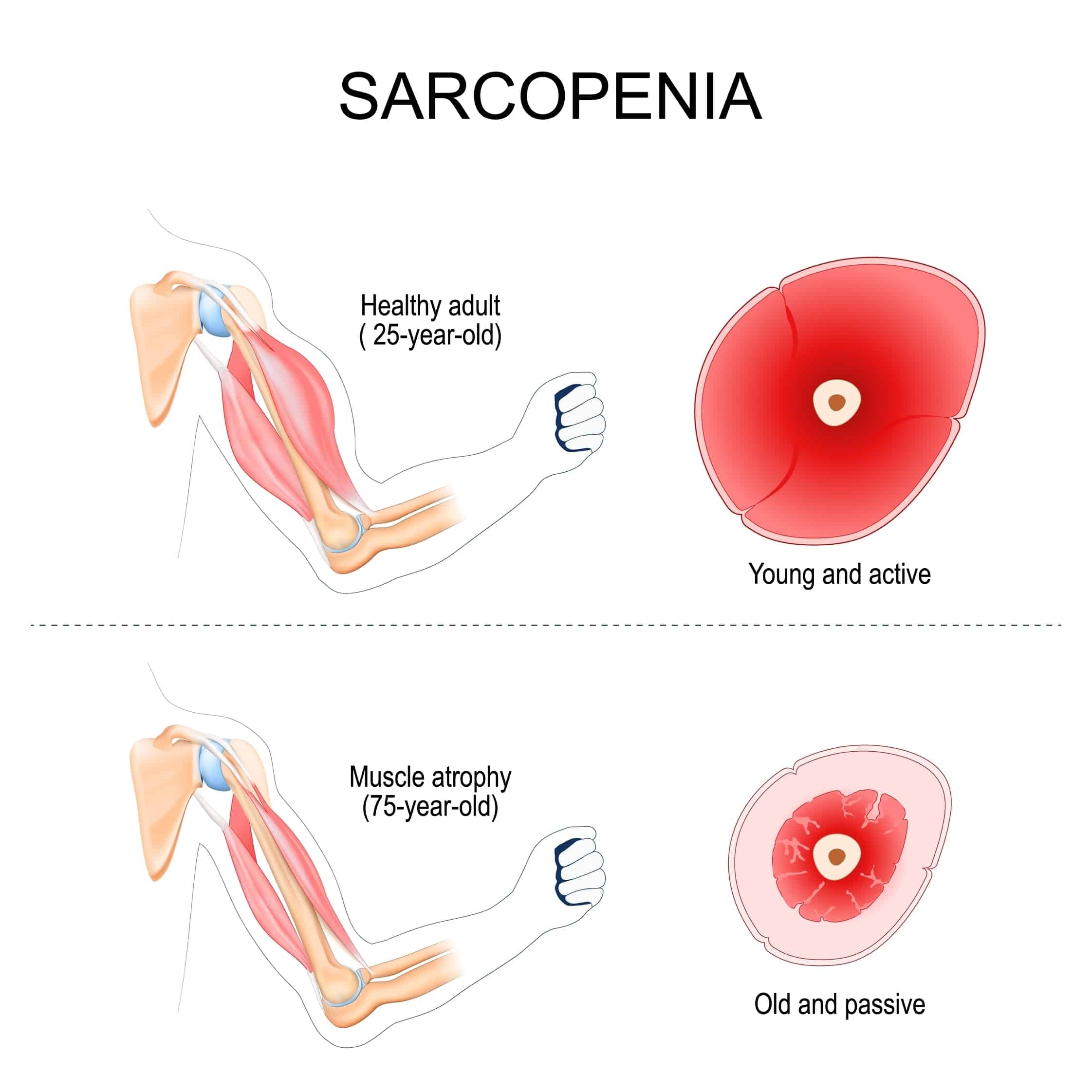
Skeletal muscle tissue is incredibly active from a metabolic standpoint. Every pound of muscle on your body burns roughly three to five times more calories at rest than a pound of fat tissue. As your muscle mass declines, your Basal Metabolic Rate (BMR)—the foundational amount of calories your body burns just to keep you alive and breathing—drops right along with it. If your BMR drops by 150 to 200 calories per day over a decade, but you continue to consume the exact same amount of food you always have, you will inevitably experience steady, gradual weight gain.
2. The Midlife Hormonal Shift
Your endocrine system serves as the master command center for your fat storage and energy distribution. After age 40, this command center goes through a dramatic restructuring that changes how energy is managed across the entire body.
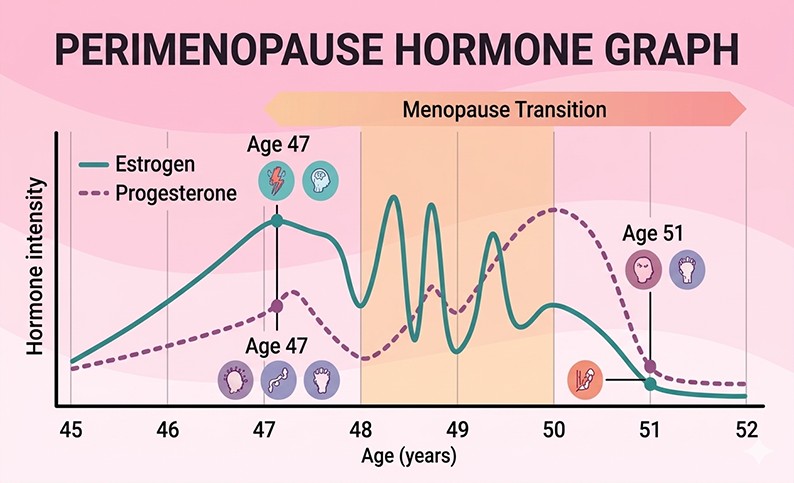
For women, perimenopause brings wild fluctuations and eventual drops in estrogen. Estrogen plays an integral role in regulating metabolic rate, insulin sensitivity, and fat distribution. When estrogen levels decline, the body’s natural instinct shifts from storing fat in subcutaneous zones (like the thighs and hips) to storing it as visceral fat in the abdomen. Furthermore, lower estrogen levels can damp down thyroid hormone expression, further lowering overall metabolic capacity.
For men, testosterone levels decline at a steady rate of about 1% per year after age 30. Testosterone is the primary hormone responsible for maintaining skeletal muscle mass, bone density, and vigorous fat metabolism. As testosterone levels dwindle throughout the 40s, men experience an increased tendency to accumulate body fat, alongside a diminished capacity to build or retain lean muscle tissue, even with regular physical activity.
3. Creeping Insulin Resistance
Insulin is the hormone responsible for unlocking your cells to let glucose enter and be used for fuel. Over decades of consuming typical modern diets high in processed foods, coupled with a natural reduction in muscle tissue (which acts as the body’s largest sink for glucose storage), our cells can gradually become numb to insulin’s signals.
When you develop mild or moderate insulin resistance, your pancreas has to pump out increasingly larger amounts of insulin to clear sugar from your bloodstream. Because elevated insulin acts as a biochemical “lock” on your fat cells—preventing the breakdown of stored fat for fuel—high circulating insulin levels make it remarkably difficult to access and burn body fat, even when you are actively trying to maintain a caloric deficit.
Risk Factors
While the biological foundations of aging affect every single one of us, certain individual risk factors, habits, and lifestyle realities can severely amplify weight loss resistance after 40. Identifying which of these factors apply to your life can clarify exactly where your current weight loss strategy may be falling short.
Chronic, Unmanaged Stress
The 40s are frequently the most stressful decade of a person’s life. Many adults find themselves sandwiched between demanding, high-responsibility phases of their careers, raising teenagers, and caring for aging parents. This chronic lifestyle pressure keeps the adrenal glands constantly producing cortisol, the body’s primary stress hormone.
Chronically elevated cortisol levels act as a direct signal to your body to conserve energy and hold onto survival fat. Cortisol actively encourages the deposition of visceral fat in the deep abdominal cavity and increases sugar cravings by disrupting brain chemistry. If you are sleeping poorly, working 60 hours a week, and constantly feeling overwhelmed, your elevated cortisol levels can easily override a pristine diet and workout plan.
Accumulated Sleep Deprivation
Sleep architecture changes naturally as we age, but a lack of quality rest acts as an absolute metabolic saboteur after 40. Sleeping fewer than seven hours per night consistently alters your hunger hormones. It reduces your circulating levels of leptin (the fullness signal) and spikes your levels of ghrelin (the hunger signal). Additionally, just a single night of fragmented or poor sleep can temporarily induce a state of insulin resistance the very next day, making you significantly more prone to storing your meals as fat tissue.
A Long History of Chronic “Yo-Yo” Dieting
If you spent your 20s and 30s jumping from one extreme fad diet to another—relying on severe calorie restriction, prolonged juice cleanses, or highly restrictive meal programs—you may have inadvertently lowered your metabolic baseline. Every time you rapidly drop weight on a severe low-calorie diet, a large percentage of that lost weight comes from precious muscle tissue, rather than just fat. When you eventually regain the weight, you almost always regain it entirely as fat. Doing this repeatedly over two decades permanently lowers your BMR, leaving you with less muscle mass and a highly defensive, slow metabolism by the time you reach 40.
Prescription Medication Interventions
By the time we hit our 40s, many adults are prescribed long-term medications to manage evolving health conditions. Common medications like beta-blockers for high blood pressure, certain anti-anxiety or antidepressant medications, corticosteroids, and even specific diabetes therapies have well-documented side effects that include mild metabolic slowdown, increased water retention, or heightened appetite, adding another layer of difficulty to natural weight loss journeys.
Evidence-Based Solutions
Now that we have thoroughly mapped out the physiological barriers holding you back, let’s pivot to the good news: your metabolism is not fundamentally broken, and you are entirely capable of turning it around. The secret lies in abandoning the outdated, extreme fitness advice of your youth and adopting sophisticated, science-backed protocols that work *with* your midlife biology rather than fighting against it.
The Power of Progressive Resistance Training
If you only have time for one form of exercise after age 40, let it be resistance training (strength or weight training). Because muscle loss is the driving force behind a crashing metabolic rate, building and preserving that muscle is your absolute best defense.

Lifting weights, working with resistance bands, or executing dedicated bodyweight exercises like squats and push-ups two to three times per week stimulates muscle protein synthesis. This intervention effectively halts age-related muscle wasting in its tracks. By adding just two to three pounds of lean, functional muscle to your frame, you can permanently increase your resting metabolic rate, making daily weight management significantly smoother and more sustainable.
Prioritizing Protein for the Thermic Effect of Food
Not all calories are processed by the human body in the exact same way. Protein requires a massive amount of metabolic energy just to be broken down, digested, and assimilated. This phenomenon is known as the Thermic Effect of Food (TEF). While your body only uses about 5% to 15% of the energy from carbohydrates and fats to digest them, it utilizes up to 20% to 30% of the calories from dietary protein just to process the meal.
Furthermore, consuming adequate protein provides the necessary building blocks (amino acids) to repair your muscles after a workout, and it powerfully stimulates the release of long-acting satiety hormones in your gut, keeping you full and content for hours at a time.
Optimizing Non-Exercise Activity Thermogenesis (NEAT)
Many adults believe that the hour they spend sweating at the gym is the most critical factor for burning calories. In reality, that single hour only accounts for about 5% of your total daily energy expenditure. A far more powerful driver of daily calorie burning is NEAT—the energy expended for everything we do that is not sleeping, eating, or sports-like exercise.
NEAT includes walking around the house, pacing while on phone calls, typing, cleaning, cooking, and taking the stairs. As we age, our spontaneous NEAT movements tend to drop off significantly. By consciously increasing your daily NEAT—such as aiming for a consistent daily step count, utilizing a standing desk, or taking short five-minute walking breaks every single hour—you can burn hundreds of extra calories per day without placing exhausting stress on your recovering joints.
Lifestyle Changes That Can Help
Achieving sustained weight management after 40 requires moving past short-term dieting mentalities and upgrading your foundational lifestyle architecture. Small, consistent shifts in your daily routine can yield compound interest for your metabolic health over time.
- Establish a Consistent Sleep Sanctuary: Prioritize a strict sleep schedule by going to bed and waking up at the exact same time every day, even on weekends. Keep your bedroom completely dark, quiet, and cool (around 65°F / 18°C). Avoid screens and high-intensity blue light for at least 60 minutes before bed to maximize deep, restorative sleep phases and keep hunger hormones balanced.
- Incorporate Daily Mindful Decompression: To actively combat the fat-storing effects of cortisol, dedicate 10 to 15 minutes daily to structured stress reduction. This can include evidence-based breathwork (like box breathing), progressive muscle relaxation, meditation, or a quiet walk through nature without your phone.
- Practice Mindful, Distraction-Free Eating: Turn off the television, put away your smartphone, and sit down at a table for your meals. Chew your food thoroughly and eat slowly. This practice gives your digestive tract the necessary time to signal your brain that you are full, preventing accidental overeating driven by emotional distraction.
- Hydrate Strategically with Pure Water: Mild, chronic dehydration is frequently misread by the brain as a signal for food or sugar cravings. Drinking an adequate amount of water throughout the day keeps your cellular machinery operating smoothly and can temporarily boost your metabolic rate via water-induced thermogenesis.
Foods That May Support Improvement
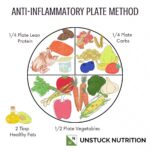
When structuring your nutritional plan after 40, your primary goal should be to maximize nutrient density while actively minimizing systemic inflammation. Shift away from a mindset of restriction and deprivation, and focus heavily on crowding out processed foods with whole, nutrient-pack alternatives.

Lean, High-Quality Proteins
Aim to include a high-quality source of protein with every single meal and snack. Excellent options include wild-caught salmon (which provides anti-inflammatory omega-3 fatty acids), organic chicken or turkey breast, lean grass-fed beef, eggs, plain Greek yogurt, cottage cheese, and plant-based options like lentils, chickpeas, and edamame.
Fibrous, Non-Starchy Vegetables
Make non-starchy vegetables the absolute foundation of your plate. Leafy greens (spinach, kale, arugula), cruciferous vegetables (broccoli, cauliflower, Brussels sprouts), bell peppers, zucchini, and asparagus are packed with vital micronutrients and essential dietary fiber. Fiber slows down digestion, prevents sharp blood sugar spikes, and feeds a healthy gut microbiome, which recent research links directly to successful weight management.
Metabolism-Supporting Healthy Fats
Do not fear healthy dietary fats; they are the essential building blocks for your evolving hormones. Incorporate moderate portions of monounsaturated and omega-3 rich fats into your daily routine. Excellent examples include extra virgin olive oil, whole avocados, raw nuts (walnuts, almonds), and seeds (chia, flax, hemp seeds).
Low-Glycemic Carbohydrates
When you consume carbohydrates, opt for whole-food, complex varieties that enter your bloodstream gradually. Swap out refined white flours and sugars for small, controlled portions of sweet potatoes, quinoa, brown rice, oats, and antioxidant-rich berries (blackberries, raspberries, blueberries), which satisfy sweet cravings without causing erratic insulin spikes.
When to Seek Professional Medical Advice
While lifestyle adjustments, nutritional upgrades, and regular resistance training can completely transform metabolic health for the vast majority of adults over 40, there are times when an underlying medical condition requires targeted clinical intervention. If you are executing a consistent caloric deficit, lifting weights regularly, sleeping well, managing your stress, and still seeing absolutely zero changes or experiencing steady weight gain over several months, it is time to partner with a qualified healthcare provider.
Your physician can run standard, comprehensive blood panels to evaluate specific underlying medical issues that masquerade as weight loss resistance:
- Hypothyroidism: An underactive thyroid gland slows down every single metabolic process in the human body, making weight gain easy and weight loss nearly impossible until hormone levels are medically stabilized.
- Subclinical Cortisol Dysregulation: Severe disorders of the adrenal pathway or advanced chronic stress profiles may require targeted clinical management.
- Advanced Insulin Resistance or Prediabetes: If your fasting glucose and Hemoglobin A1c (HbA1c) are creeping into unhealthy ranges, a medical practitioner can offer personalized medical nutrition therapy or temporary medical guidance to safely restore insulin sensitivity.
- Severe Sex Hormone Deficiencies: If perimenopause or andropause symptoms are severely impacting your quality of life, sleep, and mental well-being, an endocrinologist or gynecologist can discuss the safety, risks, and benefits of personalized hormone replacement therapies (HRT).
Frequently Asked Questions (FAQs)
1. Is my metabolism permanently slowed down now that I’m over 40?
Absolutely not. Your metabolism is not broken; it has simply adapted to changes in your hormonal profile and a natural loss of muscle tissue. By actively engaging in regular resistance training, consuming adequate dietary protein, and increasing your daily movement (NEAT), you can successfully rev your metabolic furnace back up and achieve highly efficient fat loss.
2. Should I start cutting my calories drastically to force weight loss?
No, this is one of the worst things you can do after 40. Drastic calorie restriction triggers a defensive survival response in your body, slowing your metabolism down even further and forcing your body to break down precious muscle tissue for fuel. Focus instead on a modest, gentle caloric deficit while maximizing the quality and nutrient density of the foods you eat.
3. Is cardio or weight lifting better for fat loss after 40?
While steady cardio is wonderful for your cardiovascular health and endurance, weight lifting is the absolute king of fat loss after 40. Cardio burns calories only while you are actively moving, but building muscle through weight lifting increases your metabolic rate 24 hours a day, allowing you to burn more energy even while resting and sleeping.
4. Why am I suddenly gaining all my weight in my stomach area?
This midlife shift in fat distribution is driven primarily by natural drops in sex hormones—estrogen for women and testosterone for men. Lower levels of these hormones alter where your body prefers to store fat, favoring the abdominal cavity (visceral fat) over your extremities. This can be directly counteracted by improving insulin sensitivity through nutrition and strength training.
5. Can taking hormone replacement therapy (HRT) solve my weight problems?
Hormone replacement therapy can be highly effective at relieving severe symptoms of perimenopause and menopause, such as hot flashes, mood swings, and sleep disturbances, which indirectly support weight management. However, HRT is not a standalone weight loss medication or a magic bullet; it must always be combined with solid lifestyle foundations and discussed deeply with your doctor.
6. How many grams of protein should I actually eat daily over 40?
While exact needs vary based on your individual size and activity levels, a highly effective, evidence-based guideline for active midlife adults is to aim for roughly 0.8 to 1.0 gram of high-quality protein per pound of target body weight. Spreading this out across 30 to 40 grams per meal optimizes muscle protein synthesis best.
7. Does intermittent fasting work well for people over 40?
Intermittent fasting can be a helpful tool for some individuals to naturally manage their overall calorie intake and improve insulin sensitivity. However, it is not inherently superior to traditional meal timing. For some midlife individuals—especially women undergoing perimenopause—prolonged fasting windows can occasionally elevate cortisol (stress) levels, so listen to your body closely.
8. Can targeted supplements help jumpstart my sluggish metabolism?
There are no magic pills or supplements that can bypass the foundational requirements of proper nutrition, strength training, and sleep. While certain basic supplements like Vitamin D3, Omega-3 fatty acids, and Magnesium can support overall health, cellular function, and recovery, they should only be used to supplement an already solid lifestyle routine.
Conclusion
Navigating your health and body composition after 40 requires giving up old, punishing fitness habits and stepping into a smarter, kinder, and more scientific approach to wellness. Your body is going through a natural evolutionary shift, and by meeting it with the right tools—lifting weights to preserve muscle, nourishing yourself with clean protein and anti-inflammatory whole foods, and fiercely protecting your sleep and mental peace—you can completely reverse the midlife slowdown.
Remember that healthy weight management at this stage of life is a marathon, not a sprint. Be patient with your progress, celebrate the non-scale victories like increased energy and structural strength, and trust that consistent, daily habits will build a vibrant, strong, and highly resilient body for all the decades ahead.
Medical Disclaimer
Disclaimer: The information provided in this article by Wellness Vital Zone is for educational and informational purposes only and is not intended as medical advice, diagnosis, or treatment. Always consult with a qualified physician or licensed healthcare professional before starting any new diet, intense exercise program, or making shifts to your lifestyle routines, especially if you have pre-existing health conditions or are taking prescription medications.