
Enlarged Prostate (BPH): Symptoms, Causes, and Risk Factors
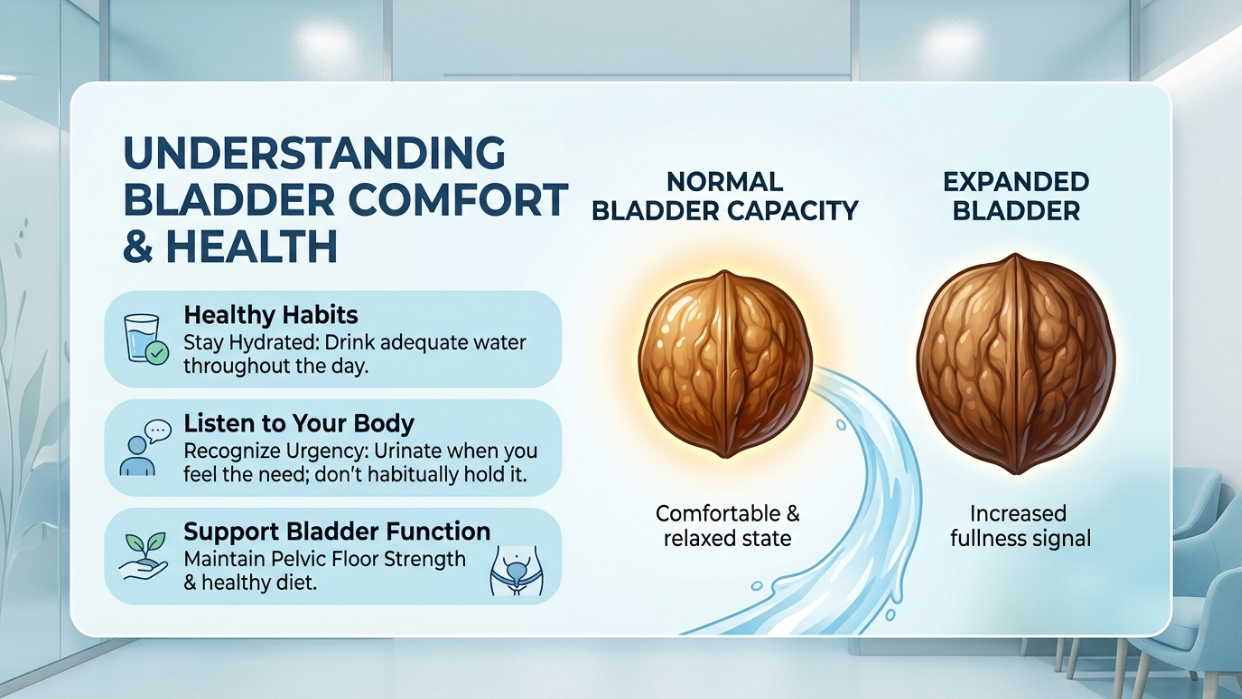
Let’s face it. Nobody wakes up thrilled to talk about aging plumbing. We happily track our steps, gym records, or changing hairlines while ignoring the internal engine. But down in the pelvic floor, a small, walnut-sized gland often decides to start running its own rules. Suddenly, you can’t ignore it anymore.
When this tissue grows, space gets incredibly tight. Medical professionals call this Benign Prostatic Hyperplasia, or BPH. It is an ordinary milestone for most men, yet the resulting enlarged prostate symptoms can completely hijack a solid night’s sleep or a long road trip. Staying ahead of it requires understanding the core machinery at play.
We are throwing out the confusing textbook jargon today. Let’s look directly at the actual warning signs, the real driving forces behind this cellular growth, and the structural risks you need to keep on your radar.
Spotting the Early Signs of Tight Plumbing
Your body rarely jumps straight to a crisis. It drops quiet hints. At first, you stand at the urinal for three extra seconds waiting for the stream to start. Or the flow simply lacks its old punch, staggering to a slow halt instead of a clean finish. These small delays represent the earliest enlarged prostate symptoms taking root[cite: 1].
As the bottleneck gets tighter, the bladder has to work twice as hard to clear the path. This constant strain irritates the muscle walls. Suddenly, you have a weak stream, a stuttering flow, or that nagging, annoying feeling that you aren’t actually finished after walking out of the bathroom[cite: 1]. Then comes the midnight wake-up calls.
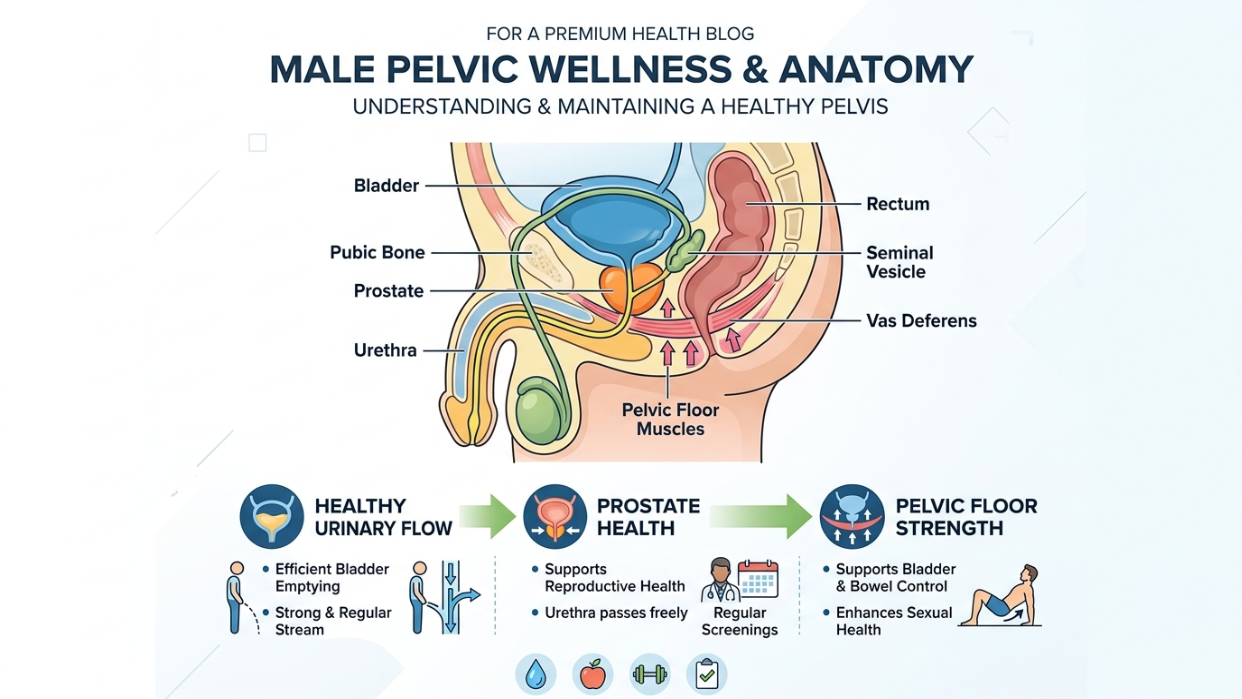
The Mechanic’s Analogy: The main exit pipe runs directly through the center of this gland, like a hose through a dense donut[cite: 1]. When that donut gets thick and heavy, it pinches the hose[cite: 1]. It is a simple physical restriction. That single reality explains every symptom you feel[cite: 1].
What Drives the Gland to Expand?
Why does this cell expansion happen in the first place? To be blunt, science is still mapping out the exact trigger switches. However, we know it centers around natural systemic shifts. As men pass their prime, their baseline hormone ratios balance differently, giving certain growth signals free rein.
Testosterone levels slowly dip, while other compounds like dihydrotestosterone (DHT) tend to accumulate directly within the pelvic tissue. This accumulation signals cells to multiply instead of staying put. It is a slow, steady change that takes decades to make its presence felt.
Real Feedback from the Field
“I spent two years thinking waking up three times a night was just what happens when you cross fifty-five. It isn’t. Once I adjusted my nighttime fluids and focused on pelvic circulation, my sleep quality leveled right back out.” — Kenneth D., 58
Who Joins the BPH Club?
Time is the primary catalyst. By the time men celebrate their fiftieth birthday, roughly half of them are already in the club[cite: 1]. By eighty, that number shoots up to ninety percent. It is as ordinary as getting silver hair or reading glasses, but your lifestyle and genetics dictate how loudly the symptoms speak.
Family history plays an undeniable role. If your dad or older brother had to manage a tight flow, your system is likely pre-wired for early expansion[cite: 1]. Background health factors like metabolic strain, weight gain around the midsection, and sitting locked to a desk for eight hours straight add extra daily pressure.
Habits Your Pelvis Values
- Front-loading your water earlier in the day[cite: 1].
- Eating warm, stewed red fruits rich in antioxidants[cite: 1].
- Breaking up long hours of sitting with quick walks[cite: 1].
- Getting regular checkups to track your baseline trends[cite: 1].
Habits That Irritate the Pipe
- Chugging dark beers or strong espressos after dark[cite: 1].
- Staying completely sedentary all weekend long.
- Ignoring a hesitant start and hoping it fixes itself[cite: 1].
- Letting unresolved stress lock up your core muscles[cite: 1].
The Structural Cost of Long-Term Pressure
Many guys try to grit their teeth and push through a weak stream. They think it’s just a minor inconvenience. But leaving a bottleneck unmanaged creates a backlog of fluid, putting immense pressure on your entire upper filtration tract over time.
When the bladder can never empty completely, stagnant fluid becomes a breeding ground for infections or painful bladder stones. In extreme cases, the muscle wall gets stretched so thin it loses its bounce entirely, forcing a sudden block that requires immediate professional intervention. Proactive care isn’t about panicking—it’s about protecting the long-term system.
Direct Answers to Common Plumbing Doubts
Conclusion
At the end of the day, tracking your pelvic changes isn’t about worrying over complications—it’s about staying in the driver’s seat. Nobody wants their daily freedom or sleep quality dictated by the nearest restroom location. Pay attention to the early shifts in your stream, stick to moving daily, and keep your provider in the loop. Taking control of your routine today ensures you continue moving through your years completely unhindered.