How to Lose Belly Fat After 40
How to Lose Belly Fat After 40: Science-Backed Strategies for Midlife
Introduction
Noticeable changes around your waistline after turning 40 can be incredibly frustrating. You might find that clothes that fit perfectly just a few years ago now feel uncomfortably tight around your midsection. Even worse, the traditional approach of “eating less and jogging more” suddenly feels completely ineffective against this stubborn area.
First, let’s clear up a major misconception: this is not a personal failure or a lack of self-discipline. Shifting fat storage toward the belly is a highly predictable, biologically driven response to the hormonal and metabolic transitions that occur as we enter our 40s. It requires a shift in strategy, not a punishment of deprivation.
In this guide for Wellness Vital Zone, we will explore exactly why your body hoards abdominal fat after 40 and outline practical, science-backed protocols to trim your waistline, optimize your metabolic health, and restore your energy levels safely and sustainably.
Subcutaneous vs. Visceral Fat: Why Belly Fat is Different
To burn belly fat effectively, we have to recognize that not all fat tissue is created equal. The soft fat you can pinch right beneath your skin is known as subcutaneous fat. While it can be aesthetically frustrating, it is relatively harmless from a metabolic standpoint.
The real target of our midlife health strategy is visceral fat. This is the deeper, firmer fat that accumulates deep inside your abdominal cavity, wrapping tightly around vital organs like your liver, pancreas, and intestines. Visceral fat acts almost like an independent endocrine gland, continuously pumping out inflammatory proteins called cytokines into your bloodstream. This chronic low-grade inflammation directly alters your lipid profiles and erodes your cellular insulin sensitivity, making lifestyle adjustments essential for long-term health.
The Core Drivers of Midlife Belly Fat
Before implementing a solution, it is vital to understand the structural shifts occurring within your body. Three distinct biological changes create a template for abdominal fat accumulation after 40.
The Estrogen and Testosterone Drop
For women, the transition into perimenopause brings sudden drops in estrogen levels. Estrogen heavily influences where your body prefers to store energy; when it drops, your genetic blueprint shifts fat storage away from the hips and thighs directly to the abdomen. For men, the steady 1% annual drop in testosterone after age 30 reaches a tipping point in the 40s, leading to a decreased capacity to maintain lean muscle mass and an increased tendency to accumulate deep belly fat.
The Cortisol Connection
The 40s are frequently characterized by peak lifestyle stressors, including intense career responsibilities, family management, and financial planning. This chronic stress keeps your adrenal glands locked into overproducing cortisol. Visceral fat cells contain up to four times more cortisol receptors than subcutaneous fat cells. When cortisol remains chronically elevated, it signals your body to actively pull energy from your bloodstream and deposit it directly into your midsection for survival storage.
Declining Insuling Sensitivity
As natural muscle mass decreases with age, your body’s ability to efficiently clear glucose from your bloodstream drops. When you consume refined carbohydrates or sugar, your pancreas must secrete double or triple the amount of insulin to manage blood sugar. Because insulin functions as your body’s primary fat-storage hormone, elevated insulin levels essentially lock your fat cells, preventing your body from breaking down stored abdominal fat for fuel.
The Action Plan: How to Lose Belly Fat After 40
To melt away deep abdominal fat, you must move past the outdated concepts of extreme caloric restriction. Instead, focus on these five core pillars designed to optimize your modern biology.

1. Transition to a Blood-Sugar-Stabilizing Diet
The absolute fastest way to drop visceral fat is to lower your baseline insulin levels. You can achieve this by managing your carbohydrate intake without giving them up completely. Focus on replacing refined white breads, pastas, sugars, and processed snacks with low-glycemic, fiber-rich alternatives like sweet potatoes, quinoa, oats, and wild berries.
Pair every carbohydrate with a premium source of lean protein (such as wild salmon, chicken breast, or eggs) and metabolism-supporting healthy fats (like avocados, extra virgin olive oil, and raw walnuts). This strategic grouping slows digestion, completely blunts insulin spikes, and eliminates the late-afternoon sugar cravings that drive belly fat storage.
2. Focus on Muscle, Not Exhausting Cardio
While spending hours on a treadmill burns calories in the short term, it does very little to alter your foundational metabolic rate. Furthermore, excessive cardio can spike cortisol levels, inadvertently signaling your body to hold onto waistline fat.
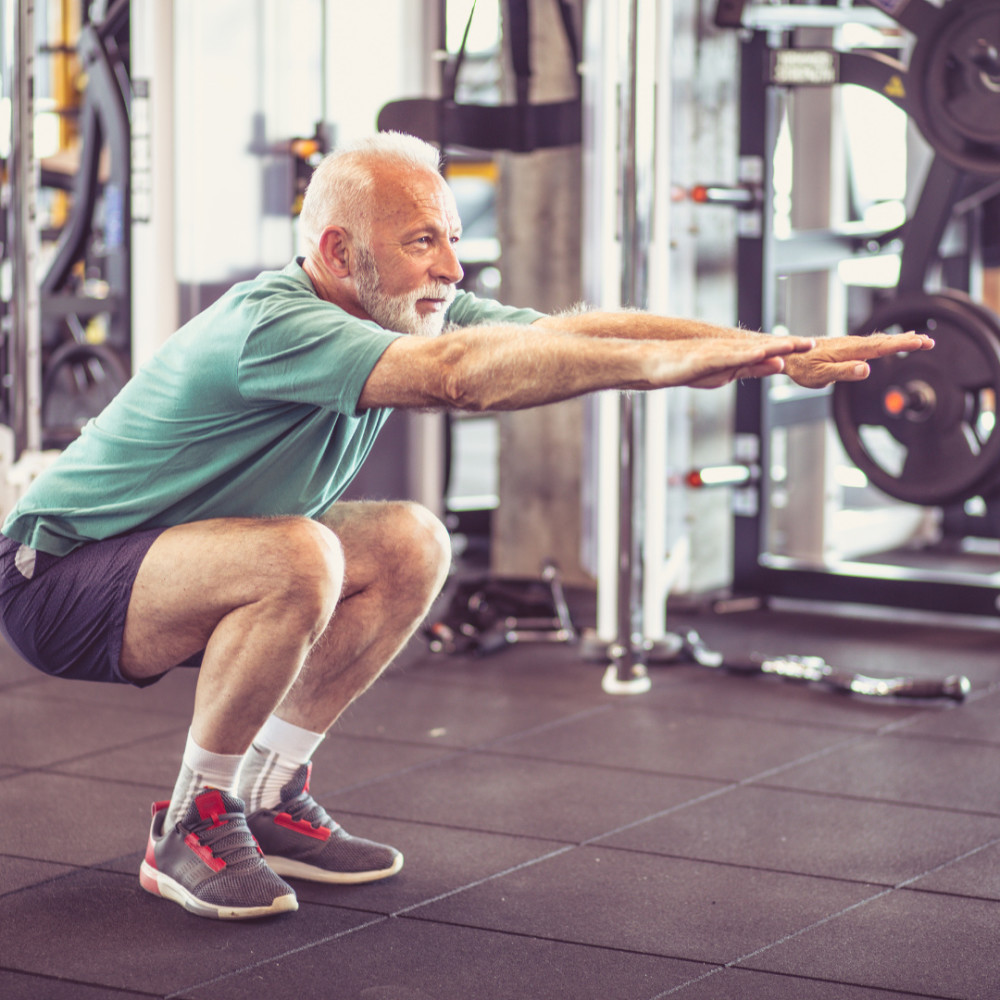
Instead, prioritize progressive resistance training two to three times per week. Lifting weights, utilizing resistance bands, or mastering bodyweight exercises like squats and lunges builds lean muscle mass. Muscle serves as an incredibly active metabolic sink, continuously burning glucose for fuel even while you sleep and rest.
3. Leverage NEAT for Stress-Free Fat Burning
Non-Exercise Activity Thermogenesis (NEAT) represents the energy expended for everything we do outside of structured sports or sleeping. This includes walking, cleaning, cooking, and taking the stairs. By consciously aiming for a consistent daily step count (such as 8,000 to 10,000 steps) or using a standing desk, you can burn hundreds of extra calories daily without triggering a stress or cortisol response in your joints.
4. Fiercely Protect Your Sleep Architecture
If you are sleeping fewer than seven hours per night, fat loss will remain incredibly difficult. Sleep deprivation alters your primary hunger hormones, driving down leptin (fullness) and driving up ghrelin (hunger). Ensure your bedroom is completely dark, cool, and device-free for at least 60 minutes before closing your eyes to maximize deep, fat-burning growth hormone production overnight.
5. Decompress to Lower Cortisol
Because cortisol directly drives fat straight to your midsection, targeted stress management is a non-negotiable step for waistline reduction. Dedicate 10 to 15 minutes every single day to active decompression. This can include structured breathwork, progress muscle relaxation, meditation, or a peaceful walk without your phone.
Lifestyle Checklist for Midlife Waistline Success
Consistency is key when restructuring your body composition. Use this daily checklist to keep your habits aligned with your goals:
- Hydrate Early and Often: Drink a large glass of water immediately upon waking to kickstart cellular hydration and prevent false hunger signals.
- Aim for 30 Grams of Protein at Breakfast: Frontloading your day with protein stabilizes blood sugar right from the start and prevents late-night snacking.
- Take a 10-Minute Post-Meal Walk: Walking briefly after your largest meal helps clear glucose from your blood, minimizing the required insulin response.
- Audit Your Liquid Calories: Be mindful of hidden sugars in specialty coffee drinks, sodas, and evening alcohol, which transfer directly into visceral fat storage.
When to Consult a Medical Professional
If you have been consistently executing a strength training routine, maintaining a gentle caloric deficit, sleeping well, and managing your stress for several months without seeing any changes in your waistline measurements, it is wise to partner with a qualified physician.
Your doctor can run detailed blood panels to rule out or treat underlying issues like hypothyroidism, severe vitamin D deficiencies, advanced insulin resistance, or extreme sex hormone depletion, ensuring your hard work yields the results you deserve.
Medical Disclaimer
Disclaimer: The information provided in this article by Wellness Vital Zone is for educational and informational purposes only and is not intended as medical advice, diagnosis, or treatment. Always consult with a qualified physician or licensed healthcare professional before starting any new dietary or exercise program, especially if you have pre-existing health conditions.