
Common Prostate Problems Every Man Should Know
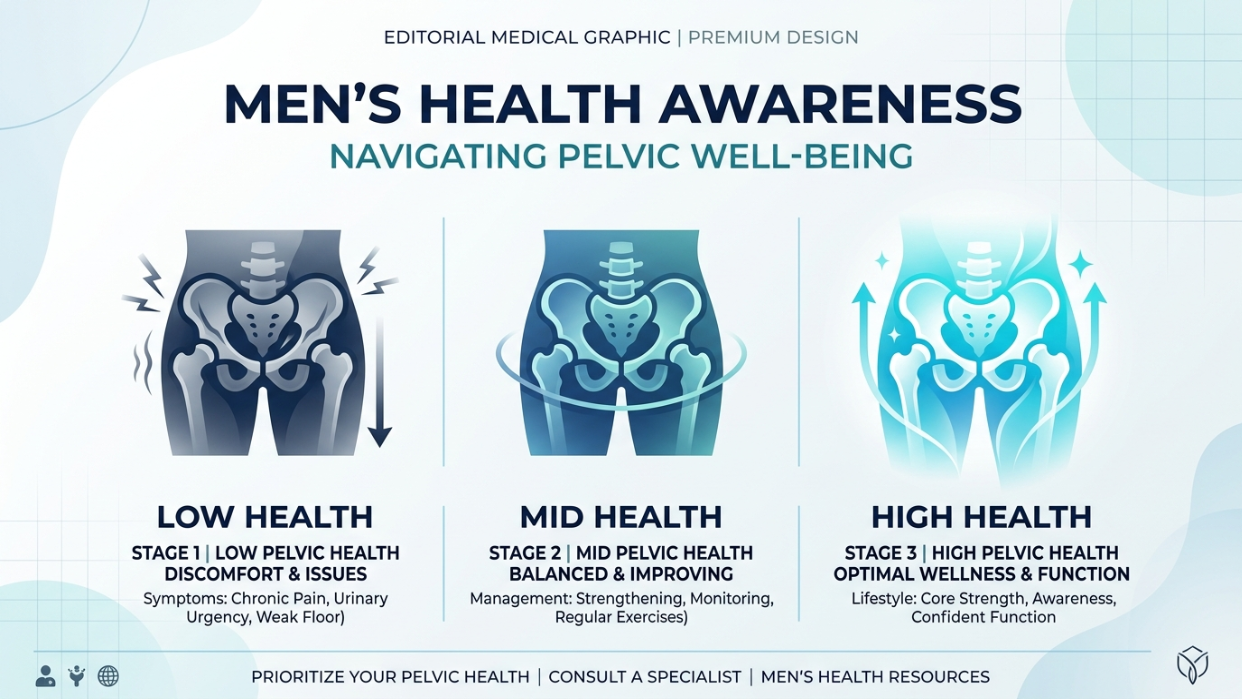
Talk to any guy past forty about his health. You’ll hear about bad knees, stiff lower backs, or maybe how hard it is to shed belly fat. We openly trade tips on physical therapy or running shoes. But there is another major shift happening lower down that almost nobody puts on the table until it turns into an outright emergency.
Pelvic real estate is tight. When a specific, walnut-sized hub down below runs into trouble, it doesn’t stay quiet. It immediately signals its frustration through your daily bathroom routine. Learning about common prostate problems isn’t about looking for issues—it’s about learning the early warning signs before they rewrite your daily schedule.
Let’s skip the dry medical lectures. We are breaking down the three main culprits that disrupt male wellness, how they trick you, and what actually keeps your plumbing clear over the long haul.
The Three Main Structural Culprits
When the system falls out of alignment, the blame usually belongs to one of three categories. First on the list is BPH—benign prostatic hyperplasia. That’s just the clinical label for a natural thickening of the tissue. It’s completely non-cancerous, but because it squeezes the main drainage pipe, it slows down your stream dramatically.
Then comes prostatitis. This one doesn’t care about your birth certificate; it hits young guys just as easily as seniors. Think of it as a sudden, angry fire or bacterial flare-up inside the gland that makes every trip to the restroom feel like a test of endurance.
The third category is prostate cancer. It is incredibly common, yet it typically moves at a snail’s pace. Because it often lacks obvious red flags in the early stages, waiting around for pain or drastic changes to show up before getting a checkup is the biggest strategic mistake you can make.
A vital note on anatomy: The prostate sits right around your urethra. If the gland gets thick, inflamed, or swollen, the pipe takes the hit. It’s a pure mechanical bottleneck. That’s why different conditions share identical symptoms.
Catching the Whispers Before the Screams
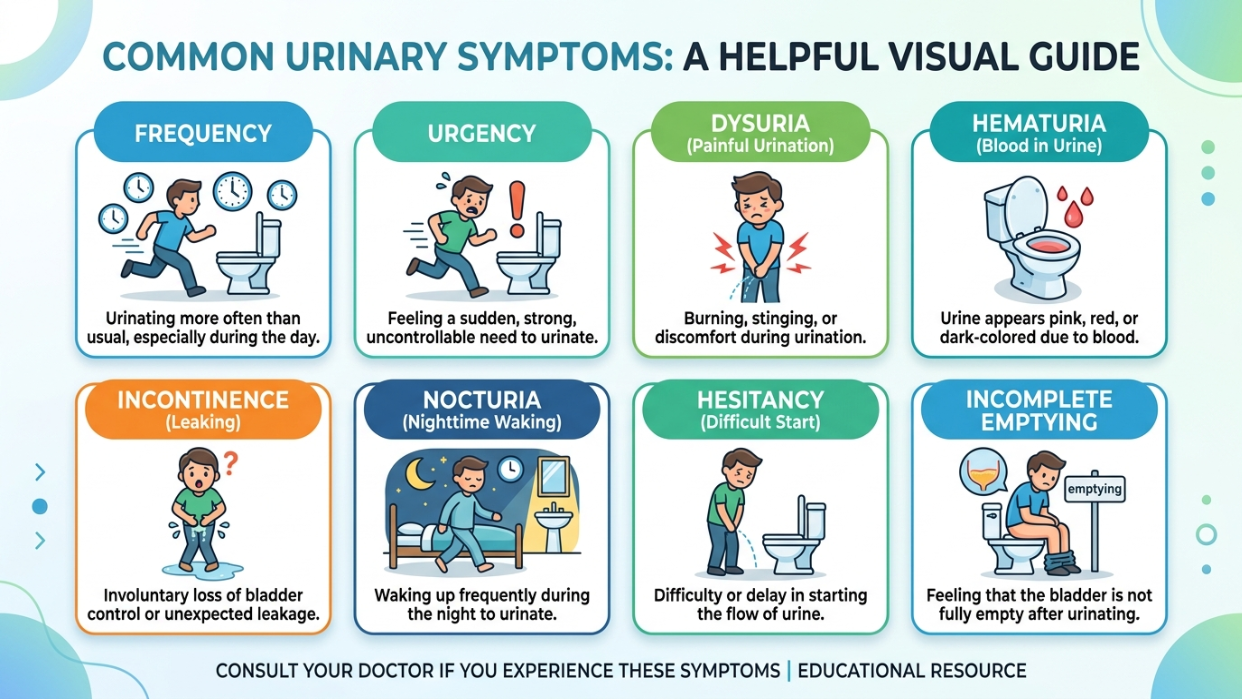
Your body rarely springs changes on you overnight. It drops hints. At first, it’s just a subtle shift: you stand there for three extra seconds waiting for things to start. Or maybe you notice the stream lacks the punch it had five years ago, finishing with a slow stutter instead of a clean stop.
The real warning sign comes at night. Waking up once is ordinary. Waking up three times in a panic to use the bathroom is a direct message from your pelvis. Ignoring these early cues doesn’t make them vanish; it just allows the internal pressure to build up further.
Stories from the Urinal
“I kept making excuses for my weak stream. Blamed it on getting old or drinking too much coffee. Once I actually addressed it, tracked my habits, and spoke with a professional, I got my sleep schedule back.” — Arthur L., 54
Age, Risk, and the Baseline Numbers
Time is the primary catalyst here. By the time men cross the threshold of fifty, nearly half of them have an expanding prostate. It’s an ordinary part of the aging process, much like getting gray hair. But genetics and background history can speed up the clock significantly.
If your father or brother dealt with structural pelvic problems early, your personal baseline risk naturally doubles. That doesn’t mean you are doomed to a crisis. It simply means you need to be much more observant and proactive with your annual checkups.
Decisions Your Body Values
- Adding heated, crushed tomatoes to your weekly meals.
- Moving around to clear pelvic blood pooling.
- Getting a simple baseline check before issues flare up.
- Tapering your water intake once evening sets in.
Decisions That Trigger Irritation
- Overdoing strong iced coffees or craft beers after dark.
- Sitting anchored to an office chair for nine hours straight.
- Waiting for severe discomfort before talking to a doctor.
- Allowing unresolved stress to lock up your core muscles.
The Proactive Maintenance Routine
You can’t change your genes, and you can’t fake your birth certificate. But your daily routines hold a massive amount of leverage over internal inflammation. Small, consistent shifts pay off over a long timeline.
- Rethink your kitchen fats: Ditch the heavy, processed seed oils. Focus on clean, rich omega-3 sources like wild seafood, raw walnuts, and real extra virgin olive oil to keep tissue calm.
- Embrace the power of lycopene: Raw salad tomatoes are fine, but cooking them with a little healthy fat unlocks the real treasure. Heat makes the nutrients highly bioavailable to your system.
- Enforce a strict fluid boundary: Hydrate your body constantly during the daytime. Once dinner wraps up, close the kitchen. Give your bladder a clean head start before you fall asleep.
- Keep the lower half moving: Prolonged sitting pools stress and cuts down circulation in the pelvis. Stand up, stretch out, or take a quick loop around the office floor every single hour.
Straight Answers to Tough Questions
Conclusion
Managing your health isn’t about tracking complications—it’s about protecting your daily rhythm. Nobody wants their calendar dictated by restroom locations or broken sleep. Pay attention to the quiet shifts down below, build clean circulation habits, and keep an open line with your provider. Taking charge of your routine today guarantees your physical independence remains completely intact for the years ahead.