Blue Light And Sleep Quality
Blue Light And Sleep Quality: How Screen Time Affects Your Rest
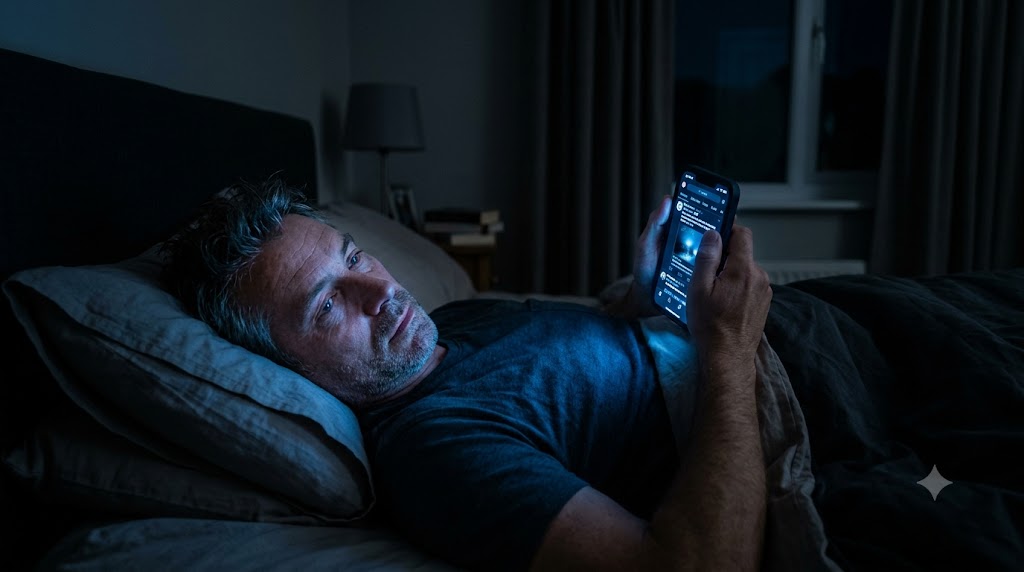
It has become a common modern evening ritual: lying in bed, lights out, scrolling through news articles, social media, or answering a few late emails on a smartphone. While it feels like a harmless way to wind down, this habit is silently sabotaging your rest. The connection between blue light sleep disruption and chronic nighttime wakefulness is undeniable. For adults over 40, whose natural sleep-regulating hormones are already beginning to decline, exposure to artificial light can make falling asleep feel nearly impossible. Let us break down the science of why screens keep you awake and how to protect your sleep quality naturally.
What Is the Connection Between Blue Light and Sleep?
Light is composed of various colors, each with different wavelengths and energy levels. Blue light has a very short wavelength, meaning it produces a high amount of energy. In nature, the primary source of blue light is the sun. During the day, this sunlight signals your brain to stay alert, boosts your reaction times, and elevates your mood.
However, when the sun goes down, your brain relies on the darkness to signal the pineal gland to start releasing melatonin—the hormone responsible for making you feel sleepy. When you stare at the artificial blue light emitting from your phone or television at 9:00 PM, your eyes send a message to your brain that the sun is still up. This completely halts your melatonin production, delaying your sleep cycle and confusing your internal biological clock.
Main Causes of Evening Blue Light Exposure
We are surrounded by artificial lighting, but not all light sources impact your sleep equally. The most intense disruptors of blue light sleep cycles are devices held close to your face. Primary culprits include:
- Smartphones and Tablets: Held just inches from your eyes, delivering concentrated light directly into your retinas.
- LED Televisions and Computer Monitors: Often used late into the evening for entertainment or remote work.
- Energy-Efficient Lighting: Bright white LED or compact fluorescent (CFL) bulbs used in modern home lighting setups mimic midday sunlight much more strongly than older, warm-toned incandescent bulbs.
Common Symptoms of Blue Light Disruption
If artificial light is damaging your sleep architecture, your body will typically exhibit these common warning signs:
- Lying awake for an hour or more after turning off your devices, feeling “tired but wired.”
- A delayed sleep phase, where you do not feel naturally sleepy until well past midnight.
- Waking up with dry, strained, or irritated eyes.
- Feeling groggy and unrefreshed the next morning, as blue light also reduces the amount of restorative Rapid Eye Movement (REM) sleep you achieve.
Risk Factors for Mature Adults
While teenagers are notoriously glued to their screens, adults aged 40 to 70 face unique vulnerabilities. As we age, our eyes undergo physical changes, and the brain’s natural baseline production of melatonin decreases. This means that an older adult has a smaller “reserve” of sleep hormones to begin with. When evening screen time suppresses what little melatonin is naturally available, the resulting insomnia is often much more severe and harder to correct than it is for younger individuals.
Treatment Options: How to Protect Your Rest
The best treatment for light-induced insomnia is behavioral change. You do not necessarily need to give up your favorite evening shows or digital reading, but you do need to manage the light spectrum your eyes receive. Here are the most effective, doctor-recommended adjustments:
| Strategy | How It Works | Best Practice Routine |
|---|---|---|
| The “Digital Sunset” | Allows your brain time to naturally synthesize melatonin before bed. | Turn off all phones, laptops, and TVs exactly 60 minutes before you plan to sleep. |
| Blue-Light Glasses | Physically filters out the high-energy blue wavelengths from reaching your retina. | Wear amber-tinted blue-blocking glasses starting at 8:00 PM if you must use screens. |
| Software Filters | Changes the color temperature of your screen to a warmer, reddish-orange tone. | Enable “Night Shift” (Apple) or “Eye Comfort Shield” (Android) to activate automatically at sunset. |
| Warm Ambient Lighting | Removes bright overhead stimulation, mimicking the glow of a sunset or firelight. | Use dim, warm-toned bedside lamps (amber or red bulbs) instead of main room lights. |
Replacing the Habit
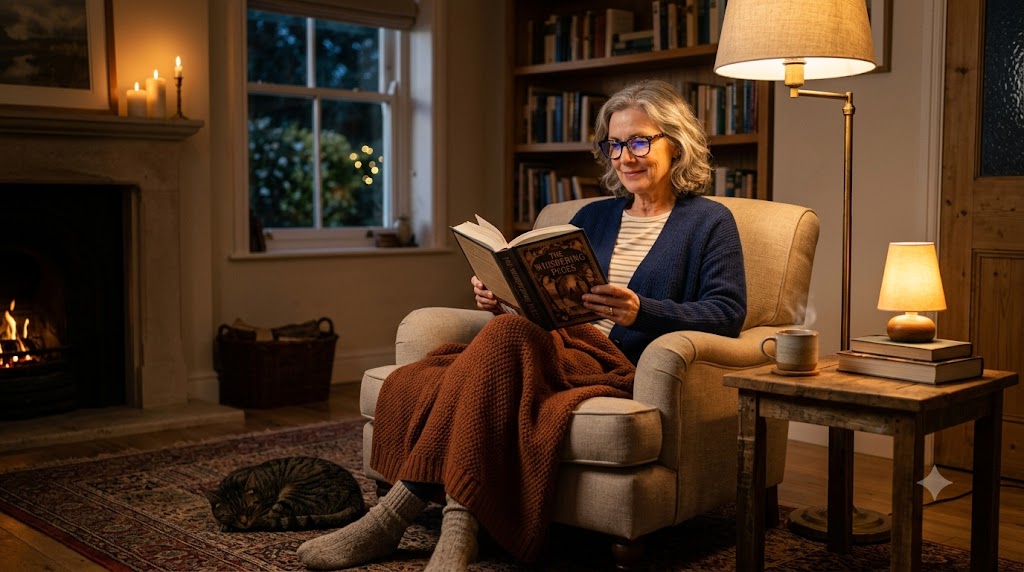
If you remove screen time from your evening, you must replace it with a calming alternative, or you will find yourself reaching for your phone out of boredom. Consider reading a physical book under a soft, warm lamp, listening to an audio podcast, practicing gentle stretching, or doing a crossword puzzle. These activities engage the mind without suppressing your sleep hormones.
When To Seek Medical Advice
Adjusting your screen habits will resolve the majority of mild, light-induced sleep issues within a few weeks. However, if you have successfully implemented a strict digital curfew and optimized your bedroom lighting, yet still struggle with chronic insomnia, it is time to seek professional guidance. Persistent sleep issues could be tied to underlying conditions like sleep apnea, hormonal imbalances, or chronic anxiety that require medical intervention.
Natural Support For Better Sleep
In addition to optimizing your bedroom’s lighting and establishing a screen-free evening ritual, many individuals find that natural dietary support helps signal to the body that it is time to rest. This might include drinking a warm cup of caffeine-free herbal tea, practicing gentle stretching, or utilizing natural targeted formulations.
For those looking for an extra layer of consistency, high-quality botanical and mineral blends can be a practical option to explore alongside environmental changes. Products like Sleep Revive are designed to complement healthy lifestyle habits by providing a blend of traditional ingredients aimed at supporting overall relaxation. When choosing any supplement, it is always best to review the ingredients with a healthcare provider to ensure it aligns safely with your personal health profile.
Frequently Asked Questions
Do blue light blocking glasses actually work for sleep?
Yes, studies show that wearing amber- or orange-tinted blue-light blocking glasses for two hours before bed can significantly prevent melatonin suppression in individuals who use screens at night. Make sure you purchase glasses specifically designed for sleep (often darker lenses) rather than the clear lenses meant just for daytime computer eye strain.
Is watching TV better than looking at my phone?
Generally, a television across the room is slightly less disruptive than a smartphone held six inches from your face because the intensity of the light reaching your eyes is lower. However, a TV still emits blue light and stimulates the brain, especially if you are watching fast-paced or stressful content like the evening news or an action movie.
Does reading on a Kindle or e-reader disrupt sleep?
It depends on the device. Basic e-ink readers (like the standard Kindle) do not emit light directly into your eyes and are very safe for nighttime reading. However, if you are using an iPad or a backlit tablet to read, it acts just like a smartphone and will suppress your sleep hormones unless you use a strong warm-color filter.
Conclusion
Understanding the link between blue light sleep disruption and your evening habits is a crucial step in reclaiming your rest. While modern technology keeps us connected, it is fundamentally at odds with our biology after the sun goes down. By enforcing a digital sunset, utilizing warm lighting, and perhaps investing in blue-blocking glasses, you can protect your natural melatonin production and finally achieve the deep, uninterrupted sleep your body craves.