Best Bedroom Temperature For Sleep
Best Bedroom Temperature For Sleep: Finding Your Perfect Range
Few things are more frustrating than tossing, turning, and throwing the blankets off in the middle of the night because you are too hot. As we age, our bodies naturally lose some of their ability to regulate internal heat efficiently. For adults between the ages of 40 and 70, this often leads to restless nights and exhausted mornings. You might be surprised to learn that finding the exact bedroom temperature for sleep is not just about personal comfort; it is a strict biological requirement for your brain to shut down properly. Let us explore the science of sleep and temperature, and how a cooler room can transform your nights.
What Is the Best Bedroom Temperature For Sleep?
Most sleep specialists and medical doctors agree that the optimal bedroom temperature for sleep sits strictly between 60°F and 67°F (15.5°C to 19.5°C). While this might sound a bit chilly to some, it aligns perfectly with your body’s natural circadian rhythm.
In the late afternoon, your core body temperature peaks. As evening approaches, your brain starts winding down, and your body actively sheds heat, causing your internal temperature to drop by about one to two degrees. This physical cooling process is the exact trigger that tells your pineal gland to release melatonin (the sleep hormone). If your room is too warm, your body cannot shed that heat, and your brain is tricked into thinking it is still daytime.
Main Causes of Nighttime Overheating
If you find yourself waking up in a sweat, the ambient room temperature might not be the only culprit. Several common factors can trap heat around your body:
- Synthetic Bedding: Sheets made from polyester or microfiber trap body heat and block airflow, creating a micro-sauna under the covers.
- Memory Foam Mattresses: Traditional, dense memory foam absorbs and retains your body heat throughout the night without letting it dissipate.
- Poor Room Ventilation: Sleeping with the bedroom door and windows tightly closed restricts airflow, causing ambient heat and humidity to build up over 8 hours.
Common Symptoms of Thermal Misalignment
When your bedroom is just a few degrees too hot or too cold, your sleep architecture suffers. You will likely experience:
- Frequent waking, specifically around 2:00 AM or 3:00 AM.
- Night sweats that leave your pajamas or sheets feeling damp.
- Vivid, sometimes stressful dreams (which often occur when the body is uncomfortably warm).
- Waking up with a dry mouth, mild dehydration, or a minor headache.
Risk Factors: Age and Temperature Regulation
Adults crossing into mid-life face unique challenges regarding body heat. For women, perimenopause and menopause bring sharp fluctuations in estrogen, which can confuse the hypothalamus (the brain’s thermostat) and trigger intense hot flashes. For older men, declining testosterone levels can also impact metabolic temperature control. Furthermore, certain common medications for blood pressure or cholesterol can disrupt natural sweating mechanisms, making it harder to cool down naturally.
Standard Adjustments for a Better Sleep Environment
If you want to protect your deep sleep cycles, you must actively manage your sleep environment. Doctors often recommend these immediate physical adjustments to your room:
| Adjustment | Why It Works | Best Practice |
|---|---|---|
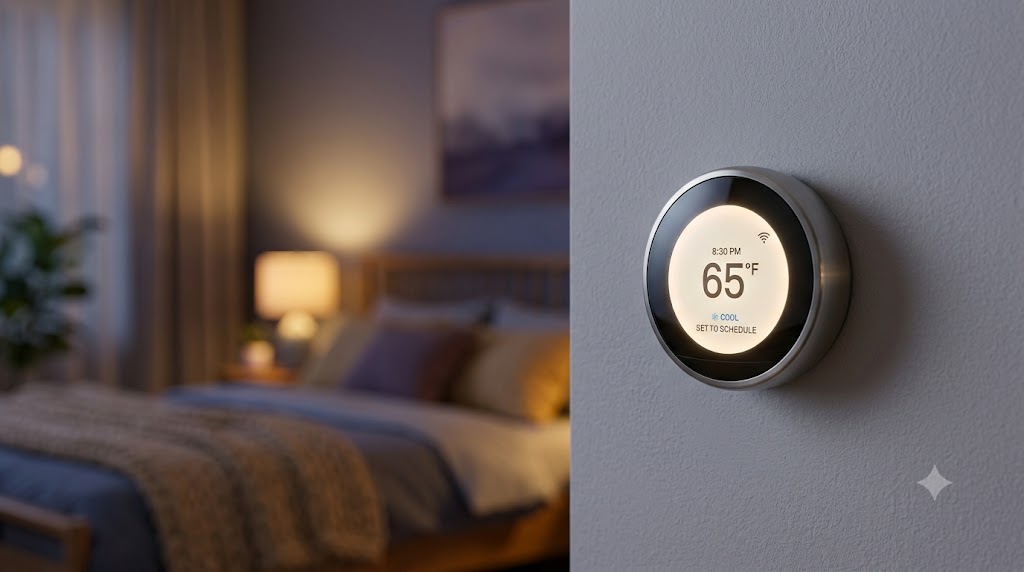
| Thermostat Control | Allows your core body temperature to drop efficiently. | Set your AC or thermostat to 65°F right before getting into bed. |
| Breathable Bedding | Allows body heat and moisture to escape into the air. | Switch to 100% cotton, linen, or bamboo sheets. |
| Air Circulation | Pushes stagnant, hot air away from your sleeping body. | Keep a ceiling fan or quiet floor fan running on low speed. |
The “Warm Bath” Trick
It sounds counterintuitive, but taking a warm bath or shower 90 minutes before bed is one of the best ways to cool down. The warm water brings blood to the surface of your skin. When you step out of the shower into your cool bedroom, your body rapidly dumps that heat, causing a sharp drop in your core temperature—the exact signal your brain needs to fall asleep quickly.
When To Seek Medical Advice
While lowering your bedroom temperature for sleep can work wonders for most people, it cannot cure underlying medical issues. If you have turned the thermostat down, switched to breathable sheets, and are still experiencing drenching night sweats, it is time to consult a doctor. Persistent night sweats can occasionally be a symptom of thyroid disorders, sleep apnea, or other clinical conditions that require professional medical attention.
Natural Support For Better Sleep
In addition to optimizing your bedroom’s temperature and establishing a soothing evening ritual, many individuals find that natural dietary support helps signal to the body that it is time to rest. This might include drinking a warm cup of caffeine-free herbal tea, practicing gentle stretching, or utilizing natural targeted formulations.
For those looking for an extra layer of consistency, high-quality botanical and mineral blends can be a practical option to explore alongside environmental changes. Products like Sleep Revive are designed to complement healthy lifestyle habits by providing a blend of traditional ingredients aimed at supporting overall relaxation. When choosing any supplement, it is always best to review the ingredients with a healthcare provider to ensure it aligns safely with your personal health profile.
Frequently Asked Questions
What if my partner and I prefer different sleeping temperatures?
This is a very common issue! The best compromise is to keep the ambient room temperature on the cooler side (around 65°F), as it is easier to add warmth than to take it away. The partner who runs cold can use a heavier duvet or a heated mattress pad on their side of the bed, allowing both individuals to sleep comfortably without compromising the room’s base temperature.
Is it bad to sleep with cold feet?
Yes, having freezing cold feet can actually keep you awake. The blood vessels in your feet need to dilate (open up) to help shed heat from your core. If your feet are too cold, those vessels constrict. If you keep the room cool but struggle with cold feet, wearing a pair of light, breathable cotton socks to bed can actually help you fall asleep faster.
Does sleeping with a fan on make you sick?
No, a fan will not give you a cold or the flu, as those are caused by viruses. However, if a fan is blowing directly on your face all night, it can dry out your nasal passages and mouth, leading to a sore throat in the morning. It is best to point the fan toward your body or use a ceiling fan to gently circulate the air without aiming it directly at your head.
Conclusion
Achieving a deep, restorative night of sleep often comes down to mastering the basics. By finding the perfect bedroom temperature for sleep—ideally between 60°F and 67°F—you align your physical environment with your body’s natural biological needs. Combine a cooler room with breathable bedding and smart evening habits, and you will find yourself falling asleep faster, staying asleep longer, and waking up with the energy you need to thrive.