
Probiotics vs Digestive Enzymes
Probiotics vs Digestive Enzymes: The Ultimate Deep-Dive Comparison
A Clinical Evaluation of Biotic Colonization, Macromolecule Breakdown, and Gastrointestinal Symphony
1. Introduction
Gastrointestinal distress has reached epidemic proportions in our fast-paced modern landscape. Millions of individuals daily fight a quiet war against embarrassing post-meal bloating, unpredictable bowel habits, structural food intolerances, and exhausting system-wide fatigue. Because the human digestive tract functions as the core engine for metabolic performance, systemic immune defense, and neurotransmitter balance, any operational breakdown in the gut quickly ripples across the entire body.
When searching for non-pharmaceutical interventions to restore metabolic harmony, you will inevitably encounter two powerhouse product segments dominating the supplement space: Probiotics and Digestive Enzymes. To the untrained consumer, they appear to serve an identical mission—fixing a broken stomach. Yet, structurally and physiologically, these two therapeutic modalities stand as completely separate biological tools.
 Figure 1: Reclaiming digestive health requires choosing between living microbial allies and catalytic chemical keys.
Confusing a probiotic with a digestive enzyme is like confusing the construction workers building a house with the chemical tools used to cut the raw timber. Deploying the wrong agent at the incorrect phase of gastrointestinal processing can lead to zero symptomatic relief, wasting significant financial resources, or exacerbating problems like upper intestinal overgrowth and profound bowel cramping. This comprehensive 3,000+ word comparison guide will pull back the curtain on the science of gut health, exploring the chemical mechanics, ideal use cases, and symbiotic protocols for Probiotics and Digestive Enzymes.
Before unpacking the clinical data, remember that gut integrity dictates systemic inflammation. If you are exploring broader protocols, see our master guide to The Complete Anti-Inflammatory Diet and Supplement Protocol to understand how macronutrients affect systemic inflammatory pathways.
2. Quick Comparison Table
For individuals looking for an immediate strategic snapshot, this breakdown details how these two foundational gut interventions function across critical operational metrics:
🏆 Quick Verdict: Which Form Solves Your Core Issue?
- Choose Probiotics if: You are seeking long-term immune modulation, regular bowel mapping, mood stability, and systemic restoration after a course of antibiotics or chronic pathogenic exposure.
- Choose Digestive Enzymes if: You suffer from immediate post-meal heaviness, visible undigested food in your stool, acute acid reflux, or known functional deficiencies in breaking down specific compounds like lactose, gluten, or complex fats.
| Feature / Metric | Probiotics (Product A) | Digestive Enzymes (Product B) |
|---|---|---|
| Biological Nature | Living microscopic organisms (Bacteria and Yeasts) | Non-living, catalytic protein molecules |
| Anatomical Target | Mainly Large Intestine (Colon) & Lower Ileum | Upper GI Tract (Stomach, Duodenum, & Jejunum) |
| Primary Mechanism | Microbial competitive exclusion, short-chain fatty acid (SCFA) synthesis | Cleaving large macronutrient polymers into absorbable monomers |
| Timing Protocol | First thing in the morning or right before bedtime | Immediately before or during the first bites of a meal |
| Key Performance Indicator | Long-term stool consistency, reduced brain fog, robust immune defense | Rapid elimination of upper stomach gas, bloating, and immediate post-meal fatigue |
| Storage Requirements | Often requires strict refrigeration or advanced blistering | Highly shelf-stable; requires cool, dry dark storage |
3. Product A Overview: Probiotics
Probiotics are formally defined by the World Health Organization as live microorganisms which, when administered in adequate amounts, confer a measurable health benefit upon the host organism. These are not chemicals; they are living, breathing cellular allies that belong primarily to kingdoms of beneficial bacteria (such as Lactobacillus and Bifidobacterium) or beneficial non-pathogenic yeasts (such as Saccharomyces boulardii).
 Figure 2: Probiotic supplements act as transient or permanent genetic reinforcements to populate the lower intestinal microbiome.
The primary domain of a probiotic supplement is the **large intestine**. When you consume a high-quality probiotic, the goal is for these microscopic colonies to survive the aggressive, acid-drenched gauntlet of the stomach and the bile salts of the upper small intestine. Once they navigate safely to the lower ileum and colon, they temporarily or permanently implant themselves into the mucous layer of the gut wall.
Once settled, probiotics change the surrounding environment through a process called competitive exclusion. They consume available prebiotics, leaving pathogenic microorganisms with no food source. Simultaneously, they synthesize critical bioproducts like **Short-Chain Fatty Acids (SCFAs)**—including acetate, propionate, and butyrate. These SCFAs nourish the cell lining of your colon, seal tight junctions to eliminate “leaky gut,” and directly interact with the enteric nervous system to manufacture neurotransmitters like serotonin and GABA. Probiotics are focused on structural fortification, ecological balance, and long-term immunological training.
To discover how managing deep biological pathways like the gut-brain axis correlates with neurological rest and peace, check out our clinical breakdown of The Best Supplements for Deep Sleep and Anxiety.
4. Product B Overview: Digestive Enzymes
Digestive enzymes are completely non-living, catalytic protein molecules manufactured naturally by your salivary glands, gastric lining, brush border cells, and prominently, the exocrine pancreas. Their singular operational function is to accelerate the biochemical breakdown of large complex food polymers (proteins, carbohydrates, and lipids) into minuscule, single-unit monomers capable of passing through the intestinal wall into blood circulation.
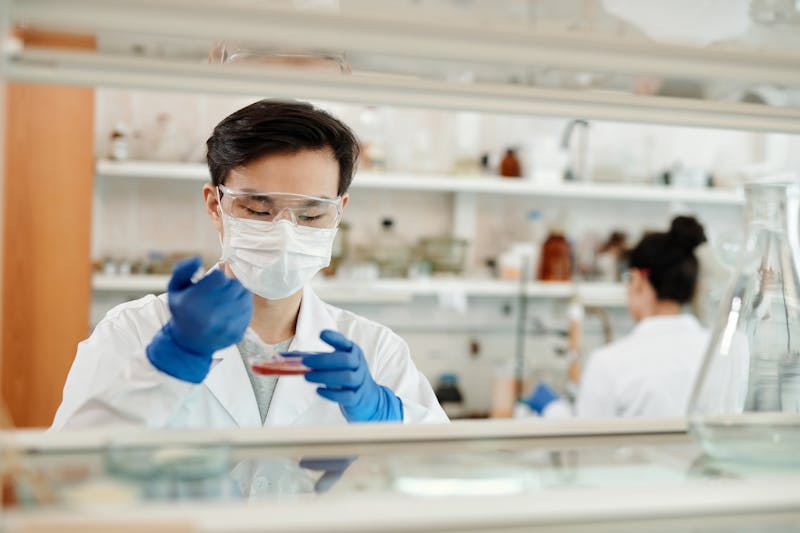 Figure 3: Supplemental digestive enzymes provide external biochemical catalysts to instantly split apart complex food particles.
The operational workspace of a digestive enzyme is concentrated within the **upper gastrointestinal tract**—specifically the mouth, stomach, and the initial segments of the small intestine (the duodenum). When you ingest supplemental enzymes, you are providing external reinforcement to match your body’s natural output. Each enzyme features a highly specific “lock-and-key” shape designed to target a single type of food bond:
- Proteases and Peptidases: Target the peptide bonds of proteins, transforming them into individual bioavailable amino acids.
- Amylases and Glucoamylases: Ingest complex starches and carbohydrate chains, cleaving them down into clean glucose molecules.
- Lipases: Break down large, hydrophobic fat globules into absorbable free fatty acids and monoglycerides.
- Specialized Enzymes: Highly targeted proteins like *Lactase* (for lactose milk sugars) or *Alpha-Galactosidase* (for the complex gas-producing oligosaccharides found in beans and cruciferous greens).
Without adequate enzyme levels, food remains semi-digested, fermenting in the upper gut and feeding harmful opportunistic organisms. Digestive enzymes focus entirely on raw chemical processing and immediate mechanical efficiency.
5. In-Depth Comparison Analysis
To fully determine which compound aligns with your gut restoration goals, we must analyze their distinct performance and behavior across eight core operational dimensions.
Ingredients and Formulation Architecture
Probiotic formulations are measured in **CFUs (Colony Forming Units)**, typically ranging from 5 billion to over 100 billion per serving. Their ingredient panels list specific microbial genera, species, and strains (such as Lactobacillus acidophilus NCFM). Premium probiotic formulas frequently include integrated prebiotics—like Inulin or Fructooligosaccharides (FOS)—which serve as food for the live bacteria during transit.
Digestive enzyme panels completely avoid CFUs, instead using activity metrics defined by the Food Chemicals Codex (FCC). Look for specific designations such as HUT (Hemoglobin Units on a Tyrosine Basis) for Protease, DU (Dextrinizing Units) for Amylase, and FIP (Fédération Internationale Pharmaceutique) for Lipase. High-quality enzyme formulations present a comprehensive spectrum of animal-derived (pancreatin) or plant/fungal-derived (bromelain, papain, microbial-fermented) enzymes to handle diverse, mixed meals.
Effectiveness and Bioavailability
Because digestive enzymes do not require colonization, they boast an immediate effectiveness rate of nearly 100% upon contact with food. They do not need to be absorbed into the bloodstream; their work is done entirely within the hollow lumen of your stomach and intestine, changing your digestive efficiency from your very first meal.
Probiotics operate on a delayed timeline. Their effectiveness depends on survival and colonization. If a probiotic pill cannot survive stomach acid, its biological value drops significantly. Even with state-of-the-art enteric coatings, it can take 2 to 4 weeks of consistent daily dosing for probiotic colonies to successfully alter the composition of your intestinal flora and deliver systemic health changes.
Safety and Tolerability Profiles
Both supplement categories are safe for the general public, but they carry distinct risk considerations. Supplemental digestive enzymes are exceptionally well tolerated because they mirror molecules your pancreas naturally secretes. However, individuals with active stomach ulcers or gastritis must exercise extreme caution with high-dose proteases, as they can irritate a compromised stomach lining.
Probiotics carry unique safety risks for specific patient groups. If you suffer from **SIBO (Small Intestinal Bacterial Overgrowth)**, introducing billions of live bacteria into an already crowded small intestine can cause immense pain, severe bloating, and worsening symptoms. Additionally, severely immunocompromised individuals should always consult an infectious disease specialist before consuming large amounts of live bacterial cultures.
Side Effects
The primary side effect of beginning a high-dose probiotic regimen is a transient “die-off” or Herxheimer reaction. As beneficial bacteria alter the local ecology, shifting out pathobionts, users may experience mild gas, shifting bowel habits, or skin breakouts for the first 3 to 7 days. These issues typically resolve once your microbiome stabilizes.
The side effects of digestive enzymes are almost exclusively linked to improper timing or dosage errors. Taking high-potency enzymes on an empty stomach without food can lead to burning sensations, acid reflux, or minor abdominal cramping as the active enzymes attempt to break down the natural mucosal lining of the stomach itself.
Ease of Use and Administration Protocols
Digestive enzymes demand rigid, consistent meal-to-pill timing. Because their sole purpose is interacting directly with food mass, you must ingest them with your first few bites of a meal or immediately before. Forgetting to take them until an hour after you finish eating renders the supplement largely useless.
Probiotics are much more flexible. They simply need to be taken at a time when stomach acid is at its lowest baseline concentration to ensure maximum transit survival. This is typically first thing in the morning 30 minutes before breakfast, or right before bed. They require no tracking of meal schedules, making them much easier to fit into a busy daily routine.
Customer Reviews and Real-World Feedback
A global review analysis across popular health and wellness e-commerce spaces reveals clear trends in user satisfaction. Users who purchase digestive enzymes frequently report a sense of rapid relief, describing the sudden disappearance of the heavy, rock-like sensation in their stomach that usually follows rich, high-protein or high-fat meals.
Probiotic reviews lean toward long-term lifestyle transformation. Users share stories of overcoming years of chronic constipation or unpredictable loose stools, experiencing reductions in systemic skin flare-ups like eczema, and noticing improvements in persistent brain fog and seasonal immune resistance. The negative reviews for probiotics almost always center around initial bloating from using multi-strain formulas too quickly.
Pricing and Market Access
Digestive enzymes are highly accessible and budget-friendly. Because plant-based enzymes like bromelain (from pineapples) and papain (from papayas) are easy to extract and process in bulk, baseline broad-spectrum enzyme blends are affordable.
Probiotics are premium, high-tech commodities. Culturing specific, clinically validated strains, verifying genetic purity, and using advanced freeze-drying and enteric-capsule technologies drives manufacturing costs up. Consequently, top-tier, clinically proven probiotics demand a significantly higher monthly investment.
Total Value for Money
Value is determined by matching the correct product to your underlying root issue. If you are struggling with a clear structural enzyme deficiency (such as age-related pancreatic decline or lactose intolerance), digestive enzymes offer immense value per serving. If you are looking to reconstruct an internal ecosystem damaged by processed diets, stress, or chronic medications, a premium probiotic provides incredible value by fortifying your long-term health foundations.
6. Pros and Cons of Probiotics (Product A)
The Pros:
- Systemic Immune Regulation: Over 70% of the human immune system lives within the gut wall, directly managed and trained by probiotic bacteria.
- Short-Chain Fatty Acid Production: Synthesizes butyrate to seal a leaky gut lining and protect your cells.
- The Gut-Brain Link: Actively produces critical precursors for serotonin and GABA to help lower stress and balance your mood.
- Long-Term Ecosystem Repair: Works to permanently transform your internal flora, helping to displace pathogens and pathobionts for good.
The Cons:
- Delayed Therapeutic Window: Requires 2 to 4 weeks of daily compliance to see meaningful results.
- SIBO Flaring Potential: Can cause severe gas and pain if bacteria accumulate in an already compromised small intestine.
- Fragile Storage Requirements: Many premium strains are sensitive to heat and moisture, requiring careful handling or refrigeration.
7. Pros and Cons of Digestive Enzymes (Product B)
The Pros:
- Immediate Symptomatic Relief: Works from the very first meal to eliminate upper stomach pressure and bloating.
- Enhanced Nutrient Uptake: Breaks down complex macromolecules completely, maximizing your absorption of vital fat-soluble vitamins and minerals.
- Targets Specific Intolerances: Provides precise, targeted relief for structural food issues like lactose or grain sensitivities.
- Reduces Post-Meal Fatigue: Lessens the massive energetic burden of heavy digestion, eliminating the classic post-meal crash.
The Cons:
- No Permanent Fix: Offers localized, short-term support for a single meal; does not permanently change your microbiome.
- Strict Timing Window: Must be taken right as you start eating, requiring consistent mealtime discipline.
- Risk of Stomach Irritation: Can cause a burning sensation if taken on an empty stomach or in the presence of active ulcers.
8. Who Should Choose Probiotics?
Probiotics are the ideal therapeutic intervention for individuals matching these health goals and clinical histories:
- Post-Antibiotic Recovery: Anyone looking to rebuild their microbiome after a course of broad-spectrum antibiotics has cleared out their natural bacteria.
- Chronic Lower Bowel Issues: Individuals battling regular constipation, unexplained loose stools, or diagnosed conditions like IBS-C or IBS-D.
- Immune & Inflammatory Focus: People looking to reduce seasonal sicknesses, clear up chronic skin flares like acne or eczema, and resolve full-body systemic inflammation.
Populating your lower microbiome with beneficial bacteria can also play a major role in regulating systemic stress and cortisol production. To explore how nutrients adapt to stress, read our guide on Nutritional Protocols for Chronic Stress and Adrenal Fatigue.
9. Who Should Choose Digestive Enzymes?
Digestive Enzymes are the ideal choice if you fit these specific physiological profiles and day-to-day patterns:
- Immediate Upper Gut Distress: Anyone who experiences severe gas, upper bloating, or painful pressure within 30 to 60 minutes after eating a meal.
- Age-Related Digestive Decline: Adults over 50 experiencing a natural, age-related drop in hydrochloric acid and exocrine pancreatic enzyme output.
- Known Structural Intolerances: Individuals with verified sensitivities to specific food groups, such as the sugars in dairy (lactose) or complex fibers in plant foods.
Maximizing macronutrient breakdown is also essential for athletes who rely on clean, efficient fueling. To see how optimizing your digestion can boost athletic recovery, check out our guide on Electrolyte Timing Strategies for Endurance Athletes.
10. Frequently Asked Questions (FAQs)
-
Can I take Probiotics and Digestive Enzymes together?
Yes, and for many people, combining them provides the ultimate approach to gut health. Because they operate in completely different areas of the digestive tract and use entirely different mechanisms, they can be used together safely. Take your digestive enzymes with your meals to break down food, and take your probiotics on an empty stomach to support your microbiome. -
Will taking supplemental enzymes cause my pancreas to stop making its own?
No. Unlike hormonal supplements (such as testosterone or thyroid medications), oral digestive enzymes do not trigger a negative feedback loop in the endocrine system. Your exocrine pancreas will continue to produce its own natural enzymes regardless of oral supplementation. -
Which supplement is better for reducing severe bloating?
It depends on when your bloating occurs. If you bloat immediately after eating, it usually points to an upper GI enzyme deficiency. If your bloating develops hours later or happens the next morning, it is typically lower bowel fermentation, which is better addressed with a targeted probiotic. -
Do soil-based probiotics perform better than traditional dairy-derived strains?
Soil-based organisms (spore-forming bacteria like *Bacillus coagulans*) feature a naturally protective endospore shell. This gives them an exceptional survival rate against harsh stomach acid without needing special pill coatings. They are often better tolerated by individuals who react poorly to traditional lactobacillus blends. -
Can digestive enzymes help manage food allergies like Celiac Disease?
No. While enzymes containing DPP-IV can help break down small, accidental trace amounts of gluten cross-contamination, they cannot prevent or cure an autoimmune reaction like Celiac disease. They should never be used as a free pass to consume known food allergens. -
Should my probiotic be enteric coated?
Unless you are using exceptionally hardy, spore-forming soil-based bacteria, choose an enteric-coated capsule or a validated delayed-release shell (like DRcaps). This ensures the live bacteria pass safely through stomach acid into the intestines. -
Are plant-derived enzymes superior to animal-derived pancreatin?
Plant and fungal-derived enzymes (like bromelain and aspergillus extracts) operate across a much wider pH range, meaning they can function in both the acidic environment of the stomach and the alkaline small intestine. Animal-derived pancreatin mimics human secretions closely but requires an alkaline environment to work effectively. -
Can a high-fat diet cause an enzyme deficiency?
An sudden shift into a high-fat diet (like the ketogenic protocol) can initially overwhelm your body’s natural lipase production, leading to greasy stools and discomfort. Supplemental lipases can bridge this gap while your pancreas and gallbladder adapt to the increased fat load. -
Why do some probiotics contain prebiotics?
These are known as synbiotics. Including prebiotics (fiber food) alongside live bacteria provides the probiotic strains with an immediate food source to fuel their growth and help them colonize your intestines successfully. -
Can I get enough digestive enzymes from eating raw fruits like pineapple and papaya?
While raw fruits do contain natural enzymes like bromelain and papain, the concentrations found in whole food are relatively low. To address therapeutic digestive issues or complete food intolerances, you will typically need the standardized, high-potency doses found in professional supplements.
11. Final Recommendation: The Definitive Verdict
Navigating the choice between Probiotics and Digestive Enzymes comes down to identifying exactly where and when your digestive mechanics are breaking down.
If your primary complaints center around the upper stomach—such as immediate post-meal heaviness, acid reflux, or food passing through your system undigested—Digestive Enzymes are your clear priority. They provide immediate, practical support to break down complex meals, maximize your nutrient absorption, and protect your upper GI tract from unwanted fermentation from your very first dose.
If your health struggles involve the lower GI tract—including chronic bowel irregularity, long-term immune challenges, skin issues, or mood imbalances—Probiotics are your foundational solution. The higher financial investment and longer timeline required for colonization are fully justified by their unparalleled ability to transform your microbiome, seal your gut lining, and support your long-term health.
To learn more about optimizing your foundational health and pairing essential minerals with fat-soluble co-factors, read our expert analysis on Vitamin D3, K2, and Magnesium Co-factors to help round out your systemic wellness regimen.