
How To Create The Perfect Sleep Environment
How To Create The Perfect Sleep Environment
Have you ever noticed how much easier it is to fall asleep in a luxury hotel room? The air is perfectly cool, the room is pitch black, and the mattress feels incredibly supportive. As we cross into our 40s, 50s, and beyond, our bodies become much more sensitive to external disturbances. A room that is just slightly too warm or a streetlamp shining through the blinds can easily fracture your night’s rest. Understanding how to optimize your sleep environment is one of the most powerful, drug-free ways to reclaim your energy, balance your hormones, and achieve deep, restorative sleep every single night.
What Is a Sleep Environment?
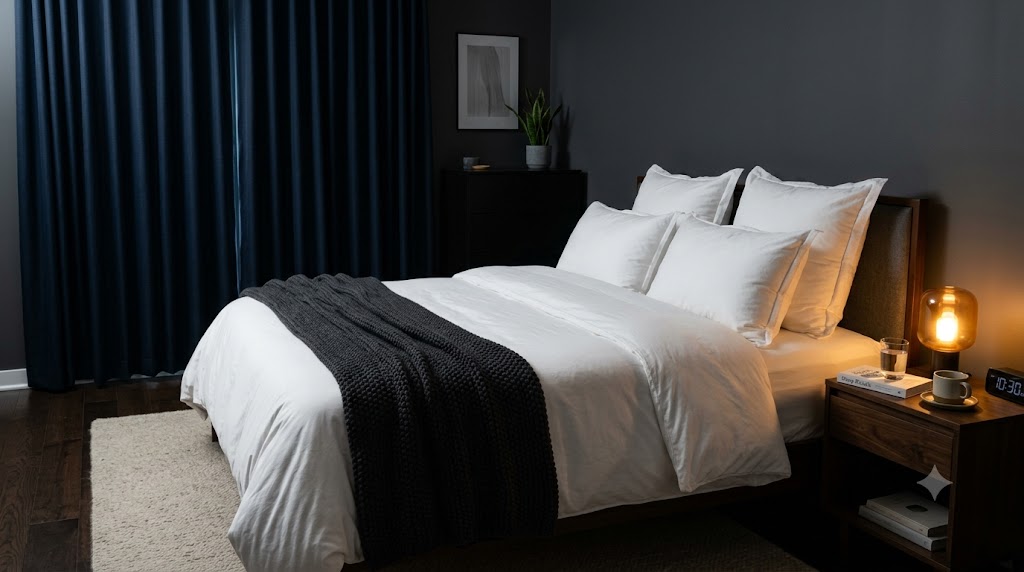
Your sleep environment encompasses everything in your bedroom that interacts with your five senses while you are trying to rest. It is not just about having a comfortable bed; it is a carefully curated combination of lighting, ambient temperature, soundscapes, and physical comfort. When these environmental factors are aligned with your body’s natural circadian rhythm, they send clear biological signals to your brain that it is safe to shut down and begin repairing your cells.
Main Causes of Environmental Sleep Disruptions
Many mature adults unknowingly sabotage their own rest by designing bedrooms that stimulate rather than soothe. Common environmental disruptors include:
- Ambient Light Pollution: Streetlights, bright alarm clocks, or standby lights on televisions halt the brain’s natural production of melatonin.
- Thermal Misalignment: Sleeping in a room that is too warm prevents your core body temperature from dropping, which is biologically required to enter deep sleep stages.
- Inconsistent Noise: Sudden noises from traffic, pets, or household appliances trigger a mild “fight or flight” response, pulling you out of REM sleep.
- Clutter and Stress Triggers: Keeping work desks, unpaid bills, or excessive clutter in the bedroom subconsciously elevates cortisol levels.
Common Symptoms of a Poor Bedroom Setup
If your sleep space is working against you, you will likely notice a distinct pattern of physical and mental symptoms:
- Waking up frequently covered in sweat, or constantly throwing the covers on and off.
- Waking up with a stiff lower back, sore shoulders, or tension in your neck due to an unsupportive mattress or pillow.
- Feeling a sudden jolt of wakefulness in the middle of the night caused by minor background noises.
- Experiencing a racing mind the moment your head hits the pillow.
Risk Factors: Who Needs to Pay the Most Attention?
While everyone benefits from a better room setup, individuals aged 40 to 70 are particularly vulnerable to environmental disruptions. This is due to natural age-related changes in joint health, a gradual decrease in natural melatonin production, and hormonal shifts (such as menopause) that affect internal temperature regulation. Additionally, light sleepers, shift workers, and those living in busy urban areas face much higher risks of fragmented rest.
Standard Environmental Solutions
Addressing sleep issues often starts with external modifications before moving to internal treatments. Sleep specialists and doctors almost universally recommend “bedroom optimization” as the first line of defense. This involves making simple, cost-effective adjustments to your physical space to promote deep relaxation.
The 4 Pillars of the Perfect Sleep Environment
To transform your bedroom into a true sleep sanctuary, you need to master four specific elements. Here is a breakdown of the scientifically backed adjustments you can make today:
| Environmental Factor | The Optimal Goal | How to Achieve It |
|---|---|---|
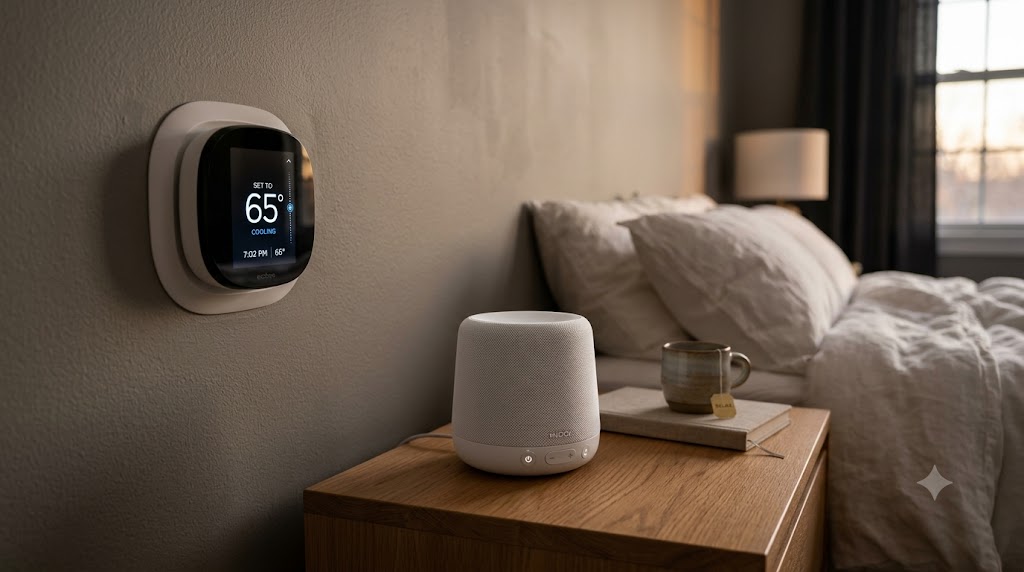
| Temperature | 60°F to 67°F (15°C – 19°C) | Adjust thermostat, use breathable cotton sheets, and utilize a ceiling fan. |
| Lighting | Total Darkness | Install blackout curtains, cover LED standby lights, and use a sleep mask. |
| Sound | Consistent, soothing noise | Run a white noise machine, use a fan, or wear soft silicone earplugs. |
| Comfort | Spinal Alignment | Invest in a supportive mattress for aging joints and contouring neck pillows. |
1. Master Your Room Temperature
Your body heat naturally peaks in the late afternoon and begins to drop in the evening. This cooling process signals your brain that it is time to sleep. Keeping your room temperature strictly between 60°F and 67°F supports this biological drop. If you suffer from hot flashes or night sweats, consider investing in cooling mattress pads and moisture-wicking bamboo sheets.
2. Eliminate All Light Sources
Light is the most powerful controller of your circadian rhythm. Even a sliver of street light filtering through the blinds can penetrate your eyelids and suppress melatonin. Install high-quality blackout curtains. Furthermore, turn your digital alarm clock around so the numbers face the wall, and charge your smartphone in a completely different room.
3. Control the Soundscape
It is not necessarily the volume of a sound that wakes you up; it is the sudden change in noise level. A dog barking or a car door slamming can jolt you awake. Using a white noise machine or a steady floor fan creates a “sound blanket” that masks sudden acoustic changes, keeping your brain in a deep, uninterrupted state of rest.
Vital Lifestyle Changes for Your Space
Creating the perfect physical space must be paired with healthy habits. Adopt the “bed is for sleep and intimacy only” rule. Do not watch television, eat meals, or work on your laptop in bed. By keeping the bedroom exclusively for rest, you train your brain to subconsciously associate the physical act of lying down with immediate relaxation.
When To Seek Medical Advice
If you have completely optimized your sleep environment—the room is dark, cool, and quiet—and you still struggle with chronic insomnia for more than four weeks, it is time to consult a doctor. Persistent sleep disruption despite a perfect environment can be a sign of underlying medical conditions, such as restless legs syndrome, thyroid imbalances, or obstructive sleep apnea.
Natural Support For Better Sleep
In addition to optimizing your bedroom and establishing a soothing evening ritual, many individuals find that natural dietary support helps signal to the body that it is time to rest. This might include drinking a warm cup of caffeine-free herbal tea, practicing gentle stretching, or utilizing natural targeted formulations.
For those looking for an extra layer of consistency, high-quality botanical and mineral blends can be a practical option to explore alongside environmental changes. Products like Sleep Revive are designed to complement healthy lifestyle habits by providing a blend of traditional ingredients aimed at supporting overall relaxation. When choosing any supplement, it is always best to review the ingredients with a healthcare provider to ensure it aligns safely with your personal health profile.
Frequently Asked Questions
Should I let my pets sleep in my bed?
While cuddling with pets can be comforting, it is generally detrimental to sleep quality, especially for mature adults. Pets move frequently, snore, and generate excess body heat. If you are struggling with fragmented rest, it is best to transition your pets to their own comfortable bed on the floor or outside the bedroom entirely.
What is the best bedroom humidity level for sleep?
Maintaining indoor humidity between 30% and 50% is ideal for the respiratory tract. Air that is too dry can cause scratchy throats and irritate snoring, while air that is too humid can promote allergens and make the room feel uncomfortably hot. Using a humidifier during dry winter months can greatly improve breathing comfort.
Is it okay to read in bed before sleeping?
Reading can be an excellent way to wind down, provided you are reading a physical book or an e-ink reader without a bright backlight. However, if you find that reading keeps you awake for hours, it is better to read in a comfortable chair in the living room and only move to the bed when your eyelids feel heavy.
Conclusion
Your bedroom should be a sanctuary, not a source of stress. By intentionally shaping your sleep environment—lowering the temperature, blocking out light, masking sudden noises, and upgrading your bedding—you remove the physical barriers standing between you and a good night’s rest. Take the time this week to assess your room, make these simple, evidence-based adjustments, and prepare to wake up feeling refreshed, restored, and ready for the day ahead.