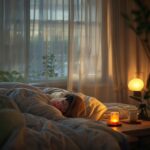
Why Am I Tired After 8 Hours Of Sleep? Understanding Non-Restorative Sleep
Why Am I Tired After 8 Hours Of Sleep? Unraveling the Mystery of Non-Restorative Sleep
You’ve done everything right. You went to bed at a reasonable hour, tucked yourself into a comfortable bed, and diligently logged a full eight hours of sleep. Yet, when the alarm blares in the morning, you don’t wake up feeling refreshed, energized, and ready to tackle the day. Instead, you’re hit with that familiar wave of grogginess, brain fog, and a pervasive feeling of exhaustion. “Why am I tired after 8 hours of sleep?” you ask yourself, frustrated and perplexed.
If this scenario sounds painfully familiar, you’re far from alone. Many adults, particularly those in the 40-70 age range, experience this frustrating paradox. It’s a common misconception that simply hitting a specific number of hours is enough. The truth is, the quality of your sleep is just as, if not more, important than the quantity. Non-restorative sleep, where your body and mind don’t achieve true rejuvenation, can leave you feeling perpetually drained, regardless of how long you spend in bed.
This comprehensive guide will delve into the intricate reasons behind persistent fatigue even after what seems like adequate rest. We’ll explore the biological mechanisms, lifestyle factors, and underlying health conditions that might be sabotaging your sleep quality. By understanding these potential culprits, you can begin to identify what might be happening to you and take proactive steps toward reclaiming truly restorative sleep and vibrant energy. Let’s uncover the answers to why you’re tired after 8 hours sleep.
%20waking%20up%20in%20a%20cozy%2C%20warm%20bedroom%20interior.%20She%20is%20sitting%20up%20in%20bed%2C%20looking%20tired%20and%20rubbing%20her%20eyes%2C%20despite%20the%20sunlight%20softly%20filtering%20through%20elegant%20curtains.%20Her%20face%20shows%20a%20slight%20expression%20of%20frustration%20and%20grogginess.%20The%20bedsheets%20are%20disheveled%2C%20suggesting%20a%20night%20of%20sleep%2C%20but%20her%20posture%20conveys%20exhaustion.%20Soft%2C%20volumetric%20lighting%20from%20a%20window%20highlights%20dust%20motes%2C%20creating%20a%20serene%20but%20somber%20atmosphere.%20There's%20a%20bedside%20table%20with%20a%20muted%20alarm%20clock%20showing%207%3A00%20AM%20and%20a%20half-empty%20glass%20of%20water.%20The%20overall%20aesthetic%20is%20clean%2C%20inviting%2C%20yet%20clearly%20portraying%20the%20struggle%20of%20feeling%20tired%20after%208%20hours%20of%20sleep.%20Focus%20on%20warm%2C%20inviting%20tones%20with%20a%20subtle%20hint%20of%20melancholy.%20Professional%20photography%20style.?width=1024&height=1024&nologo=true&seed=2863)
What Is Feeling Tired After 8 Hours Sleep? More Than Just Sleep Deprivation
When we talk about feeling tired after 8 hours sleep, we’re not simply referring to traditional sleep deprivation. Sleep deprivation implies a lack of sufficient sleep duration. What we’re discussing here is a more nuanced problem: non-restorative sleep. This means you might be getting the recommended 7-9 hours of sleep, but your body and brain aren’t progressing through the critical sleep stages necessary for true physical and mental restoration.
Think of sleep as a complex physiological process with distinct stages, each serving a vital purpose:
- Non-Rapid Eye Movement (NREM) Sleep: This makes up about 75% of your total sleep time and is divided into three stages:
- N1 (Light Sleep): The transition from wakefulness to sleep. Easy to wake someone from this stage.
- N2 (Deeper Sleep): Heart rate slows, body temperature drops. Most of your sleep is spent here.
- N3 (Deep Sleep or Slow-Wave Sleep): This is the most physically restorative stage. During N3, your body repairs tissues, grows and rebuilds cells, strengthens your immune system, and consolidates memories. A lack of sufficient deep sleep is a major reason why you might feel tired after 8 hours sleep.
- Rapid Eye Movement (REM) Sleep: This stage occurs periodically throughout the night, making up about 25% of total sleep. REM sleep is crucial for cognitive functions, learning, memory consolidation, and emotional regulation. It’s also when most vivid dreams occur.
A healthy night’s sleep involves cycling through these stages multiple times. If this intricate cycle is disrupted – perhaps you’re waking up frequently, spending too little time in deep sleep, or your brain isn’t fully disengaging – your body misses out on the essential repair and rejuvenation work. You might be clocking the hours, but your sleep quality is poor, leading to that persistent fatigue, brain fog, and general malaise despite ample time in bed.
Main Causes: Why You’re Tired After 8 Hours Sleep
The reasons behind feeling tired after 8 hours sleep are incredibly diverse, ranging from diagnosable sleep disorders to subtle lifestyle habits and underlying health conditions. Understanding these potential culprits is the first step toward finding a solution.
1. Undiagnosed Sleep Disorders
These conditions can severely fragment and diminish sleep quality, even if you’re in bed for eight hours.
- Sleep Apnea: This is a major contender for why you’re tired after 8 hours sleep. Obstructive sleep apnea (OSA) causes repeated pauses in breathing during sleep, sometimes hundreds of times a night. Each pause briefly awakens your brain to restart breathing, often without you ever remembering it. These constant micro-arousals prevent you from achieving deep, restorative sleep. Common symptoms include loud snoring, gasping for air during sleep, and excessive daytime sleepiness.
- Insomnia: While often associated with difficulty falling or staying asleep, insomnia can also manifest as waking up feeling unrefreshed, even after adequate time in bed. Chronic insomnia can prevent proper progression through sleep stages.
- Restless Legs Syndrome (RLS): RLS causes an irresistible urge to move your legs, often accompanied by uncomfortable sensations like crawling, tingling, or aching, primarily in the evening or at night. These symptoms can make it very difficult to fall asleep and stay asleep, leading to fragmented and non-restorative rest.
- Narcolepsy: A chronic neurological condition characterized by overwhelming daytime sleepiness and sudden attacks of sleep. Even if you sleep 8 hours at night, the quality can be poor, and your body’s sleep-wake regulation is disrupted.
2. Circadian Rhythm Disruptions
Your body has an internal 24-hour clock, called the circadian rhythm, which regulates sleep-wake cycles. When this rhythm is out of sync, your sleep quality suffers.
- Irregular Sleep Schedule: Going to bed and waking up at different times each day, especially on weekends, can throw your circadian rhythm into disarray. This is sometimes called “social jet lag.”
- Shift Work: Working irregular hours, especially overnight shifts, forces your body to sleep when it naturally wants to be awake and vice versa, leading to chronic fatigue.
- Exposure to Blue Light: Using smartphones, tablets, computers, or watching TV late into the evening can suppress melatonin production, making it harder to fall asleep and reducing sleep quality.
3. Hormonal Imbalances and Age-Related Changes
Hormones play a significant role in regulating sleep, and their fluctuations can explain why you’re tired after 8 hours sleep.
- Thyroid Issues: Both an underactive (hypothyroidism) and overactive (hyperthyroidism) thyroid can disrupt sleep. Hypothyroidism, common in middle-aged adults, often causes fatigue, sluggishness, and difficulty waking up refreshed.
- Menopause and Andropause: For women, hot flashes, night sweats, and hormonal shifts during perimenopause and menopause can severely interrupt sleep. Men can experience similar issues with declining testosterone (andropause), though less commonly.
- Cortisol Imbalance: Chronic stress can lead to dysregulated cortisol levels. High cortisol at night can keep you alert and prevent deep sleep, while low cortisol in the morning can make waking up difficult.
- Age-Related Sleep Changes: As we age, our sleep architecture naturally changes. We tend to get less deep (N3) sleep and more fragmented sleep, making it harder to feel fully rested, even with 8 hours in bed.
4. Nutritional Deficiencies
What you eat (or don’t eat) profoundly impacts your energy levels and sleep quality.
- Iron Deficiency (Anemia): Iron is essential for oxygen transport in the blood. Low iron levels can lead to fatigue, weakness, and difficulty concentrating. It’s a common cause of feeling tired after 8 hours sleep, especially in women.
- Vitamin D Deficiency: Vitamin D plays a role in many bodily functions, including sleep regulation. Low levels are linked to excessive daytime sleepiness and poorer sleep quality.
- Vitamin B12 Deficiency: Crucial for nerve function and energy production, a lack of B12 can cause fatigue and weakness.
- Magnesium Deficiency: Magnesium is involved in hundreds of biochemical reactions, including those related to sleep and muscle relaxation. Low magnesium can lead to restless sleep and difficulty staying asleep.
5. Chronic Health Conditions
Numerous medical conditions can contribute to persistent fatigue regardless of sleep duration.
- Diabetes: Poorly controlled blood sugar can cause frequent nighttime urination, thirst, and discomfort, disrupting sleep.
- Heart Disease: Conditions like heart failure can cause shortness of breath or discomfort when lying down, leading to fragmented sleep.
- Fibromyalgia and Chronic Fatigue Syndrome (CFS/ME): These conditions are characterized by widespread pain (fibromyalgia) or profound, debilitating fatigue (CFS) that is not relieved by rest. Non-restorative sleep is a core symptom of both.
- Autoimmune Disorders: Conditions like rheumatoid arthritis or lupus often involve chronic inflammation and pain, which can interfere with sleep.
- Mental Health Conditions: Depression and anxiety are strongly linked to sleep disturbances. While depression can cause hypersomnia (excessive sleeping), the sleep is often non-restorative. Anxiety can lead to racing thoughts that prevent deep sleep.
6. Medications
Certain prescription and over-the-counter medications can have side effects that disrupt sleep or cause daytime drowsiness.
- Antihistamines: While some cause drowsiness, others can have a stimulating effect or lead to a “hangover” feeling the next day.
- Beta-Blockers: Used for heart conditions and high blood pressure, some beta-blockers can cause insomnia or vivid dreams.
- Antidepressants: Certain types can affect sleep architecture, sometimes leading to insomnia or excessive daytime sleepiness.
- Diuretics: Can cause frequent nighttime urination, interrupting sleep.
7. Lifestyle Factors and Poor Sleep Hygiene
Your daily habits and sleep environment play a colossal role in the quality of your rest.
- Poor Diet: Heavy, fatty, or sugary meals close to bedtime can lead to indigestion and blood sugar spikes/crashes, disrupting sleep. Processed foods and lack of whole nutrients can also contribute to general fatigue.
- Caffeine and Alcohol Intake: While alcohol can initially make you feel sleepy, it disrupts later sleep stages, particularly REM sleep, and can lead to awakenings. Caffeine too late in the day can significantly delay sleep onset and reduce deep sleep.
- Lack of Physical Activity: Regular exercise promotes better sleep, but too little activity can leave you feeling restless at night and lethargic during the day.
- Stress and Anxiety: Chronic stress keeps your mind in a state of hyperarousal, making it difficult to relax and enter deep sleep. Worry and rumination can prevent your brain from fully powering down.
- Unsuitable Sleep Environment: A bedroom that’s too hot, too cold, too noisy, too bright, or has an uncomfortable mattress and pillows can all contribute to fragmented and non-restorative sleep.
Common Symptoms Beyond Just Fatigue
When you’re consistently tired after 8 hours sleep, the impact extends far beyond just feeling sleepy. You might experience a range of symptoms that affect your physical, mental, and emotional well-being:
- Brain Fog and Difficulty Concentrating: Feeling mentally sluggish, struggling to focus on tasks, and having trouble remembering things.
- Irritability and Mood Swings: Your patience wears thin, and you might find yourself more easily frustrated or emotional.
- Decreased Motivation: A lack of energy can make even simple tasks feel overwhelming, leading to procrastination and reduced productivity.
- Impaired Decision-Making: You might find it harder to make sound judgments or solve problems.
- Increased Appetite and Cravings: Sleep deprivation can disrupt hormones that regulate appetite (ghrelin and leptin), leading to increased hunger, especially for sugary or high-carb foods.
- Headaches: Tension headaches or migraines can be triggered or worsened by poor sleep.
- Body Aches and Pains: Your body isn’t getting adequate time to repair and restore itself, which can manifest as generalized aches.
- Weakened Immune System: Chronic poor sleep can make you more susceptible to colds, flu, and other infections.
- Increased Accident Risk: Drowsiness impairs reaction time and alertness, increasing the risk of accidents, especially while driving.
Risk Factors for Feeling Tired After 8 Hours Sleep
Certain factors can increase your likelihood of experiencing non-restorative sleep, leaving you tired after 8 hours sleep:
- Age: As mentioned, sleep architecture changes with age. Adults aged 40-70 are more prone to conditions like sleep apnea, RLS, and hormonal shifts, and naturally spend less time in deep sleep.
- Obesity: A significant risk factor for obstructive sleep apnea. Excess weight can also contribute to inflammation and other health issues that impact sleep.
- Gender: Women are more likely to experience RLS, insomnia, and sleep disturbances related to hormonal changes (menstruation, pregnancy, menopause). Men have a higher prevalence of sleep apnea.
- Chronic Stress or Anxiety: High stress levels are a potent disruptor of sleep.
- Existing Medical Conditions: Chronic pain, heart disease, diabetes, thyroid issues, depression, and autoimmune disorders all increase the risk of poor sleep quality.
- Family History: Some sleep disorders, like sleep apnea and RLS, can have a genetic component.
- Certain Occupations: Shift workers, healthcare professionals, first responders, and anyone with demanding, irregular hours are at higher risk.
- Sedentary Lifestyle: Lack of regular physical activity can contribute to restless sleep and daytime fatigue.
.%20Around%20the%20brain%2C%20subtle%20glowing%20pathways%20or%20nodes%20illustrate%20disrupted%20neural%20activity.%20Surrounding%20elements%20could%20include%3A%20a%20stylized%20circadian%20clock%20with%20broken%20gears%2C%20indicating%20rhythm%20disruption%3B%20microscopic%20views%20of%20cells%20or%20molecules%20(e.g.%2C%20neurotransmitters%20like%20serotonin%20or%20melatonin)%20with%20fuzzy%20or%20incomplete%20structures%3B%20faint%20representations%20of%20a%20disrupted%20respiratory%20system%20(for%20sleep%20apnea%20concept)%3B%20and%20perhaps%20a%20fragmented%20visual%20timeline%20showing%20incomplete%20cycles%20of%20NREM%20and%20REM%20sleep.%20The%20color%20palette%20should%20be%20cool%20and%20scientific%20(blues%2C%20purples%2C%20greens)%20with%20subtle%20hints%20of%20red%20or%20orange%20where%20disruption%20is%20indicated.%20High%20detail%2C%20abstract%20but%20understandable%2C%20conveying%20complex%20biological%20processes%20related%20to%20why%20one%20feels%20tired%20after%208%20hours%20sleep.?width=1024&height=1024&nologo=true&seed=7933)
Treatment Options: Medical and Scientific Approaches
If you consistently feel tired after 8 hours sleep, the first crucial step is to consult a healthcare professional. A proper diagnosis is essential for effective treatment. Here’s what medical evaluation and scientific interventions might involve:
1. Diagnostic Assessment
- Medical History and Physical Exam: Your doctor will ask about your sleep patterns, lifestyle, medications, and symptoms, as well as conduct a general physical check-up.
- Blood Tests: These can identify underlying issues like iron deficiency anemia, thyroid dysfunction, vitamin D or B12 deficiencies, or other markers of chronic disease.
- Sleep Study (Polysomnography): Considered the gold standard for diagnosing sleep disorders like sleep apnea, RLS, and narcolepsy. You’ll spend a night at a sleep lab (or use a home sleep apnea test) where various physiological parameters (brain waves, oxygen levels, heart rate, breathing, eye movements, leg movements) are monitored.
2. Addressing Underlying Sleep Disorders
- CPAP Therapy for Sleep Apnea: For obstructive sleep apnea, Continuous Positive Airway Pressure (CPAP) is the most effective treatment. A machine delivers a continuous stream of air through a mask worn during sleep, keeping the airway open and preventing breathing pauses.
- Oral Appliances: Custom-fitted dental devices can help reposition the jaw and tongue to keep the airway open for mild to moderate sleep apnea.
- Medications for RLS: Dopamine agonists or certain anti-seizure medications can help manage the symptoms of Restless Legs Syndrome.
- Cognitive Behavioral Therapy for Insomnia (CBT-I): This is a highly effective, evidence-based therapy that addresses the thoughts and behaviors that prevent you from sleeping well. It involves techniques like sleep restriction, stimulus control, cognitive restructuring, and relaxation training. CBT-I is often more effective and has longer-lasting results than sleep medications for chronic insomnia.
- Narcolepsy Management: Stimulants or other medications can help manage excessive daytime sleepiness and other symptoms of narcolepsy.
3. Treating Underlying Medical Conditions
- Thyroid Hormone Replacement: If hypothyroidism is diagnosed, medication can restore thyroid hormone levels, often alleviating fatigue and improving sleep.
- Iron Supplementation: For iron deficiency anemia, iron supplements can resolve the deficiency and improve energy levels.
- Managing Chronic Diseases: Optimizing treatment for conditions like diabetes, heart disease, or autoimmune disorders can significantly improve overall well-being and sleep quality.
- Hormone Replacement Therapy (HRT): For menopausal women experiencing severe night sweats and hot flashes, HRT can sometimes be considered to alleviate symptoms that disrupt sleep.
- Mental Health Support: Counseling, therapy, and/or medication for depression, anxiety, or other mental health conditions can have a profound positive impact on sleep quality.
4. Prescription Sleep Aids
While generally not a long-term solution, your doctor might consider prescription sleep medications for short-term use, especially to break a cycle of severe insomnia. These should always be used under strict medical supervision due to potential side effects and dependence.
Natural Remedies for Better Sleep Quality
Beyond medical treatments, several natural approaches can support better sleep quality and help alleviate that feeling of being tired after 8 hours sleep. It’s important to discuss any new supplements with your doctor, especially if you have underlying health conditions or are taking other medications.
- Melatonin: A hormone naturally produced by your body that signals sleep. Supplementation can be helpful for adjusting circadian rhythms (e.g., jet lag, shift work) or for some forms of insomnia. Dosage and timing are crucial; less is often more.
- Valerian Root: This herb has been used for centuries to promote sleep and reduce anxiety. It contains compounds that may help increase GABA levels in the brain, which have a calming effect.
- Chamomile: Commonly consumed as a tea, chamomile contains apigenin, an antioxidant that may bind to specific receptors in your brain that decrease anxiety and initiate sleep.
- Lavender: Known for its calming aroma, lavender essential oil can be diffused, sprayed on pillows, or applied topically (diluted) to promote relaxation and improve sleep quality.
- Magnesium: An essential mineral that plays a role in nerve and muscle function, and regulates neurotransmitters involved in sleep. Many people are deficient. Magnesium supplements (citrate, glycinate, or threonate forms are often well-absorbed) can promote relaxation and deeper sleep.
- L-Theanine: An amino acid found primarily in green tea, L-Theanine can promote relaxation without drowsiness. It may help reduce anxiety and improve sleep quality.
- Tryptophan: An essential amino acid found in foods like turkey, chicken, eggs, and nuts. Tryptophan is a precursor to serotonin and melatonin, both important for sleep regulation.
Natural Support For Better Sleep
Navigating the complex world of sleep supplements can be overwhelming. While a balanced diet and healthy lifestyle are paramount, certain natural ingredients have shown promise in supporting the body’s natural sleep processes. If you’re seeking a gentle, natural approach to enhance your sleep quality and reduce that “tired after 8 hours sleep” feeling, you might consider a thoughtfully formulated supplement.
Products like Sleep Revive are designed with a blend of natural compounds, often including ingredients like magnesium, L-theanine, and specific herbal extracts known for their calming properties. These formulations aim to help your body and mind relax, promote a healthy sleep cycle, and support deeper, more restorative sleep without harsh chemicals or sedative effects. It’s about gently encouraging your body’s innate ability to rest, rather than forcing it into slumber.
Remember, supplements are intended to support, not replace, a healthy lifestyle and medical advice. Always consult your doctor before starting any new supplement, especially if you have existing health conditions or are taking other medications.
If you’re curious to explore natural support options, consider learning more about targeted sleep formulations:
Discover Sleep Revive for Restorative Sleep
Lifestyle Changes to Combat Feeling Tired After 8 Hours Sleep
Implementing consistent, healthy lifestyle habits is one of the most powerful ways to improve sleep quality and overcome the feeling of being tired after 8 hours sleep. These changes are often the foundation upon which other treatments are built.

1. Optimize Your Sleep Hygiene
Sleep hygiene refers to a set of practices necessary to have good sleep quality and full daytime alertness.
- Maintain a Consistent Sleep Schedule: Go to bed and wake up at roughly the same time every day, even on weekends. This helps regulate your body’s natural circadian rhythm.
- Create a Relaxing Bedtime Routine: About an hour before bed, engage in calming activities like reading a book, taking a warm bath, listening to soothing music, or gentle stretching.
- Optimize Your Bedroom Environment:
- Dark: Block out all light with blackout curtains or an eye mask.
- Quiet: Use earplugs or a white noise machine if necessary.
- Cool: The ideal temperature for sleep is typically between 60-67°F (15-19°C).
- Comfortable: Invest in a supportive mattress and pillows.
- Limit Screen Time Before Bed: The blue light emitted by electronic devices can suppress melatonin production. Aim to switch off screens at least an hour before sleep.
- Avoid Large Meals, Caffeine, and Alcohol Before Bed: Finish eating at least 2-3 hours before sleep. Limit caffeine intake after noon and alcohol several hours before bedtime.
2. Embrace Regular Physical Activity
Engaging in moderate exercise most days of the week can significantly improve sleep quality. However, avoid intense workouts too close to bedtime (within 2-3 hours), as this can be stimulating.
3. Mindful Eating and Hydration
- Balanced Diet: Focus on whole, unprocessed foods, lean proteins, fruits, vegetables, and healthy fats. A diet rich in nutrients supports overall energy and bodily functions.
- Stay Hydrated: Drink plenty of water throughout the day, but taper off fluids in the evening to avoid nighttime bathroom trips.
4. Effective Stress Management
Chronic stress is a major culprit for poor sleep.
- Mindfulness and Meditation: Practices like guided meditation or deep breathing exercises can calm the mind and body.
- Yoga or Tai Chi: These practices combine physical movement with mindfulness and relaxation.
- Journaling: Writing down worries before bed can help clear your mind.
- Spending Time in Nature: Exposure to natural light and green spaces can reduce stress.
5. Limit Naps (or Nap Strategically)
If you’re feeling tired after 8 hours sleep, long or late-afternoon naps can further disrupt your nighttime sleep. If you must nap, keep it short (20-30 minutes) and early in the afternoon.
Comparative Table of Natural Sleep Aids and Lifestyle Changes
Here’s a quick comparison of some popular natural approaches to help you feel less tired after 8 hours sleep:
| Approach | Primary Benefit | Considerations |
|---|---|---|
| Melatonin Supplement | Regulates sleep-wake cycle, aids in sleep onset. | Best for circadian rhythm disorders (jet lag, shift work). Low doses recommended. Consult doctor. |
| Magnesium Supplement | Promotes muscle relaxation, calms nervous system, aids deep sleep. | Common deficiency. Various forms available; glycinate/threonate often preferred for sleep. |
| Valerian Root | Reduces anxiety, promotes relaxation and sleep. | May cause morning grogginess in some. Can interact with certain medications. |
| Chamomile Tea | Mild sedative, reduces anxiety, promotes relaxation. | Generally safe. May cause allergic reactions in individuals sensitive to ragweed. |
| Consistent Sleep Schedule | Regulates circadian rhythm, improves sleep efficiency. | Requires discipline. Most impactful lifestyle change. |
| Bedroom Optimization | Enhances comfort, reduces disruptions, signals sleep. | Darkness, quiet, cool temperature, comfortable bedding are key. |
| Stress Reduction Techniques | Calms the mind, reduces hyperarousal, facilitates sleep onset. | Meditation, deep breathing, yoga, journaling. Requires consistent practice. |
When To Seek Medical Advice
While occasional fatigue is normal, consistently feeling tired after 8 hours sleep is a clear signal that something might be amiss. It’s crucial to know when to move beyond self-help strategies and consult a healthcare professional. You should definitely schedule an appointment with your doctor if you experience any of the following:
- Persistent Daytime Sleepiness: If you constantly feel drowsy, struggle to stay awake during daily activities, or frequently fall asleep unintentionally.
- Loud Snoring or Witnessed Pauses in Breathing: These are classic signs of sleep apnea, which requires medical diagnosis and treatment.
- Irresistible Urges to Move Your Legs: Especially if accompanied by uncomfortable sensations in the evening or at night, suggesting Restless Legs Syndrome.
- Difficulty Concentrating, Memory Problems, or Mood Swings: If these symptoms are significantly impacting your work, relationships, or overall quality of life.
- Symptoms of an Underlying Health Condition: Such as unexplained weight changes, changes in bowel habits, muscle weakness, or chronic pain.
- If Lifestyle Changes Aren’t Helping: If you’ve diligently implemented good sleep hygiene and lifestyle modifications for several weeks without improvement.
- Concerns About Medications: If you suspect a medication you’re taking might be contributing to your fatigue.
Your doctor can help identify underlying causes through a thorough medical history, physical exam, and potentially blood tests or a referral to a sleep specialist for a sleep study. Don’t dismiss chronic fatigue; it’s your body’s way of telling you it needs attention.
Frequently Asked Questions About Feeling Tired After 8 Hours Sleep
Q1: Is it normal to be tired after 8 hours of sleep sometimes?
A: While an occasional morning of grogginess can happen for various reasons (a late night, unusual stress, minor illness), consistently feeling tired after 8 hours sleep is not normal. Your body should feel largely refreshed and energized after sufficient, quality rest. If this is a regular occurrence for you, it warrants investigation into underlying causes or lifestyle factors.
Q2: What’s the difference between sleep quantity and quality?
A: Sleep quantity refers to the total number of hours you spend asleep (e.g., 8 hours). Sleep quality refers to how well you progress through the different sleep stages (light, deep, REM) without significant disruptions. High-quality sleep means you achieve sufficient deep and REM sleep, allowing your body and mind to fully repair and restore themselves. You can get 8 hours of sleep (good quantity) but still have poor quality if it’s fragmented, shallow, or lacking in essential restorative stages, leaving you tired after 8 hours sleep.
Q3: Can my diet really affect how tired I feel after sleeping?
A: Absolutely! Your diet plays a significant role in your energy levels and sleep quality. Heavy, high-fat, or sugary meals close to bedtime can disrupt digestion and blood sugar, leading to fragmented sleep. Nutritional deficiencies (like iron, Vitamin D, or magnesium) can directly cause fatigue. Conversely, a balanced diet rich in whole foods, lean proteins, and complex carbohydrates can support stable blood sugar, provide essential nutrients for energy production, and promote better sleep. Avoiding excessive caffeine and alcohol, especially in the evening, is also crucial.
Q4: How do I know if I have a sleep disorder?
A: The only way to definitively diagnose a sleep disorder is through a medical evaluation by a doctor or sleep specialist. However, you might suspect a sleep disorder if you experience consistent symptoms such as: loud, frequent snoring with observed breathing pauses (sleep apnea), an irresistible urge to move your legs at night (Restless Legs Syndrome), difficulty falling or staying asleep for months (chronic insomnia), or overwhelming daytime sleepiness and sudden “sleep attacks” (narcolepsy). If these symptoms are impacting your daily life, please seek professional medical advice for proper diagnosis and treatment.
Conclusion: Reclaiming Restorative Sleep
Feeling tired after 8 hours sleep is a deeply frustrating experience that impacts every aspect of your life, from your mood and productivity to your physical health. It’s a clear signal from your body that your sleep isn’t truly restorative, regardless of the hours you’ve clocked. The good news is that for most people, the mystery of non-restorative sleep can be solved and managed.
By understanding the multifaceted causes – from undiagnosed sleep disorders and hormonal shifts to lifestyle habits and nutritional gaps – you can begin to pinpoint what might be holding you back from truly restful nights. Taking a proactive approach, whether through optimizing your sleep environment, adopting healthier routines, or seeking professional medical advice, is your pathway to regaining vibrant energy.
Don’t settle for merely existing through your days feeling perpetually exhausted. Prioritize your sleep health, listen to your body, and don’t hesitate to reach out to a healthcare provider. With the right strategies and support, you can unlock the power of genuinely restorative sleep and wake up feeling refreshed, revitalized, and ready to embrace each day to the fullest.