
Best Foods For Better Sleep
Best Foods For Better Sleep
As we cross into our 40s, 50s, and beyond, our sleep architecture naturally begins to change. You might find yourself waking up earlier, waking up more frequently during the night, or noticing that deep, restorative sleep feels harder to come by. While it can be frustrating to toss and turn, the foundation of a good night’s rest often starts on your plate. What you eat throughout the day—and right before bed—profoundly influences how quickly you drift off and how deeply you stay asleep. Choosing specific foods for better sleep is an easy, natural strategy to reclaim your energy and vitality.
What Is the Connection Between Nutrition and Sleep?
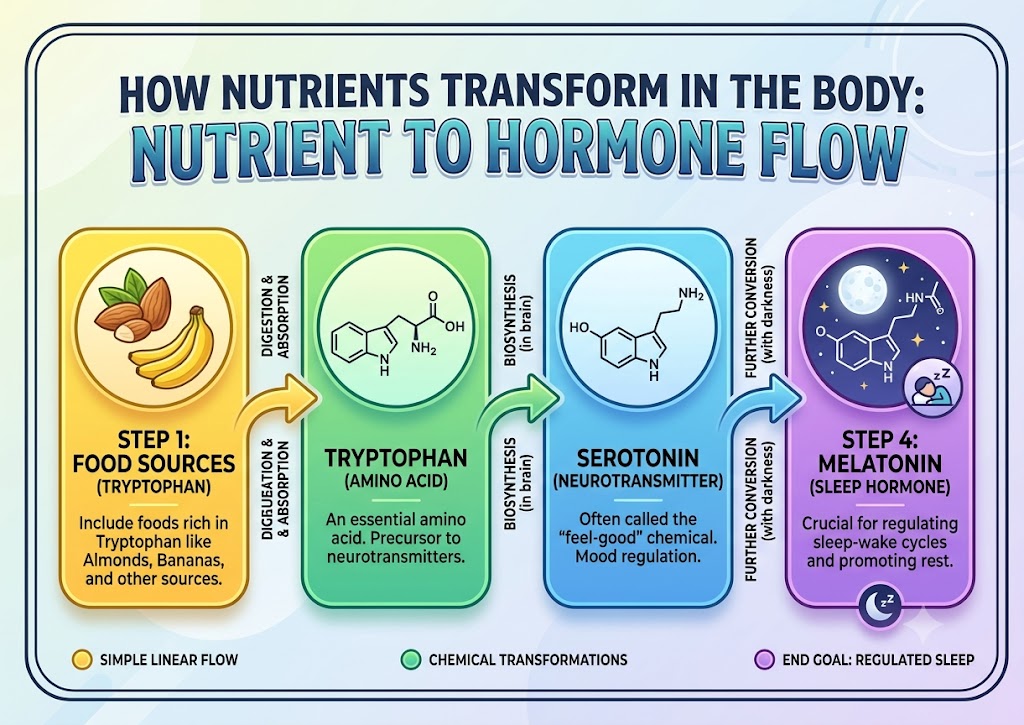
The food you consume acts as more than just fuel; it delivers the raw materials your brain needs to synthesize critical sleep-regulating chemicals. When we discuss choosing specific foods for better sleep, we are primarily looking for options rich in four core nutrients:
- Tryptophan: An essential amino acid that serves as a building block for serotonin (a mood-regulating chemical) and melatonin (the sleep hormone).
- Melatonin: The primary hormone responsible for regulating your body’s internal clock, signaling to your brain that it is time to wind down.
- Magnesium: A vital mineral that relaxes muscles, helps quiet nerve activity, and assists the body in managing stress.
- Calcium and Vitamin B6: Crucial micronutrients that aid the brain in converting tryptophan into usable melatonin.
Main Causes of Mid-Life Sleep Disruptions
Before optimizing your diet, it is helpful to understand what might be sabotaging your rest. As we age, sleep challenges are often driven by a combination of factors:
- Natural Melatonin Decline: As the body ages, the pineal gland naturally secretes less melatonin, making it harder to fall asleep quickly.
- Hormonal Shifts: For women, perimenopause and menopause bring sharp fluctuations in estrogen and progesterone, which frequently trigger night sweats. For men, gradual declines in testosterone can affect sleep efficiency.
- Blood Sugar Crashing: Eating high-carbohydrate, sugary snacks late at night causes a rapid rise in blood glucose, followed by a sudden midnight crash that triggers cortisol (the stress hormone) to wake you up.
Common Symptoms of Poor Sleep Quality
How do you know if your sleep quality is lacking? Look out for these common signs:
- Taking longer than 30 minutes to fall asleep at night.
- Waking up multiple times during the night and struggling to drift back to sleep.
- Feeling fatigued, groggy, or irritable during the daytime despite spending 8 hours in bed.
- Difficulty concentrating or experiencing frequent morning “brain fog.”
Risk Factors: Who Is Most at Risk?
While anyone can suffer from a bad night’s rest, certain habits and risk factors elevate your chances of chronic sleep issues between the ages of 40 and 70:
- High daily stress levels or late-evening worrying.
- Sedentary lifestyles with minimal outdoor light exposure during the day.
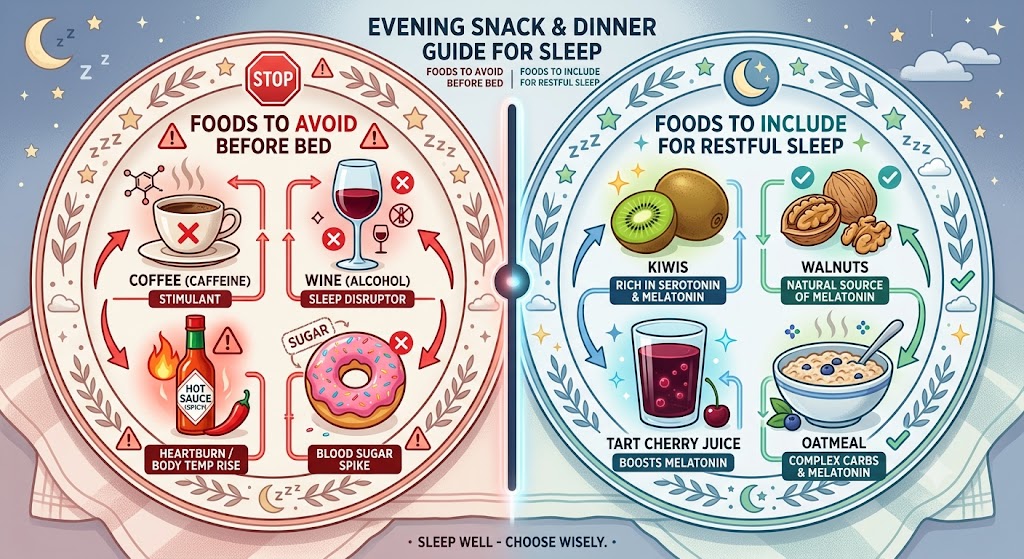
- Consuming heavy stimulants like caffeine or alcohol within 4 to 6 hours of bedtime.
Standard Treatment Options for Sleep Issues
When addressing chronic sleep complaints, conventional approaches generally fall into a few primary categories:
- Cognitive Behavioral Therapy for Insomnia (CBT-I): A structured behavioral program that helps identify and replace thoughts and behaviors that cause sleep issues.
- Over-the-Counter and Prescription Aids: While sometimes used for short-term relief, these can occasionally carry risks of dependency or daytime drowsiness.
- Natural and Nutritional Therapies: Adjusting daily dietary choices to supply the body with the clean building blocks it needs for natural sedation.
The Top Foods For Better Sleep
Incorporating nutrient-dense options into your evening routine can greatly improve your sleep outcomes. Below is a breakdown of the top evidence-based choices:
| Food Group | Key Sleep Compound | Primary Mechanism of Action | Best Options |
|---|---|---|---|
| Nuts & Seeds | Magnesium, Melatonin | Relaxes muscles, quiets central nervous system | Almonds, Walnuts, Pumpkin seeds |
| Fruits | Melatonin, Serotonin | Boosts natural melatonin levels, lowers inflammation | Tart cherries, Kiwis, Bananas |
| Fatty Fish | Vitamin D, Omega-3s | Regulates internal serotonin production | Salmon, Tuna, Mackerel |
| Complex Carbs | Tryptophan-facilitators | Helps tryptophan cross the blood-brain barrier | Oatmeal, Whole grain toast |
1. Tart Cherries and Tart Cherry Juice
Tart cherries (particularly the Montmorency variety) are one of the few natural food sources exceptionally rich in melatonin. Studies suggest that drinking tart cherry juice can help increase overall sleep time and efficiency in older adults.
2. Kiwifruit
Kiwi is packed with vitamins C and E, but it also contains a uniquely high concentration of serotonin. Research indicates that consuming two kiwis an hour before bed can significantly reduce the time it takes to fall asleep.
3. Almonds and Walnuts
Almonds provide high doses of magnesium, which helps reduce the body’s physical stress response. Walnuts contain their own distinct source of melatonin, alongside healthy omega-3 fatty acids that support brain health.
Lifestyle Changes to Optimize Rest
Dietary adjustments work best when paired with solid evening habits. Consider establishing these basic routines to reinforce your internal biological clock:
- Maintain a Consistent Schedule: Go to bed and wake up at the exact same time every day, even on weekends.
- Create a Cool, Dark Sanctuary: Keep your bedroom between 60°F and 67°F (15°C to 19°C) and use blackout curtains to encourage natural melatonin production.
- Limit Screen Exposure: The blue light emitted by smartphones, tablets, and televisions mimics daylight. Turn off screens at least one hour before bed.
When To Seek Medical Advice
While adjusting your diet to include specific foods for better sleep is an excellent, low-risk starting point, nutritional changes cannot cure underlying medical conditions. You should speak with a physician if your insomnia lasts longer than 4 to 6 weeks, or if you or a partner notice loud, chronic snoring or gasping sounds during the night, which could point to sleep apnea.
Natural Support For Better Sleep
In addition to consuming a balanced diet rich in sleep-promoting nutrients, many individuals find that establishing a soothing evening ritual helps signal to the body that it is time to rest. This might include drinking a warm cup of caffeine-free herbal tea, practicing gentle stretching, or utilizing natural targeted formulations.
For those looking for an extra layer of consistency, high-quality botanical and mineral blends can be a practical option to explore alongside dietary changes. Products like Sleep Revive are designed to complement healthy lifestyle habits by providing a blend of traditional ingredients aimed at supporting overall relaxation. When choosing any supplement, it is always best to review the ingredients with a healthcare provider to ensure it aligns safely with your personal health profile.
Frequently Asked Questions
Can I just take a melatonin supplement instead of changing my diet?
While melatonin supplements can be helpful for short-term issues like jet lag, they do not provide the broad spectrum of nutrients (like magnesium, vitamins, and complex fibers) that whole foods offer. Relying on whole foods supports long-term health and gentle, natural sleep regulation.
How long before bed should I stop eating?
It is generally ideal to finish large meals at least 2 to 3 hours before going to sleep to allow for proper digestion. However, if you feel hungry close to bedtime, a small, 100-to-200-calorie snack combining a complex carb and a protein (such as an almond butter smear on whole-wheat toast) can prevent middle-of-the-night blood sugar crashes.
Does warm milk actually help you sleep?
Yes, there is scientific truth to the old remedy. Milk contains both tryptophan and calcium. Calcium helps the brain utilize the tryptophan efficiently to manufacture melatonin. Additionally, the warmth provides a soothing, psychological comfort that aids relaxation.
Conclusion
Achieving deep, restorative sleep as a mature adult doesn’t always require drastic measures. By intentionally adding nutrient-dense foods for better sleep—like tart cherries, walnuts, and kiwis—to your daily routine, you give your body the exact tools it needs to wind down naturally. Pair these dietary choices with a consistent sleep schedule and a dark, cool bedroom to wake up feeling refreshed, vibrant, and ready to take on the day.