
Does Exercise Improve Sleep?
Does Exercise Improve Sleep? The Ultimate Guide for Better Rest
When you spend your night tossing and turning, the last thing you probably want to think about the next morning is going for a run or hitting the gym. However, when patients ask doctors, “Does exercise improve sleep?” the medical consensus is a resounding yes. For adults in their 40s, 50s, and beyond, discovering the connection between exercise and sleep is often the missing puzzle piece to finally curing chronic nighttime restlessness. Let us dive into the science of how moving your body during the day biologically prepares your brain for deep, restorative rest at night.
The Science of Exercise and Sleep
The relationship between exercise and sleep is a powerful two-way street. Working out impacts your sleep architecture through several biological pathways:
- Temperature Regulation: When you exercise, your core body temperature rises significantly. About 30 to 90 minutes after your workout, your body temperature begins to drop back down. This temperature decline is the exact biological trigger that tells your brain it is time to sleep.
- Stress Reduction: Physical activity burns off excess adrenaline and lowers cortisol (the stress hormone). It also stimulates the release of endorphins, which act as natural mood elevators and painkillers.
- Increased Sleep Drive: Just as a car needs to burn gas to empty its tank, your body needs to burn energy to build up “sleep pressure.” The more physically active you are, the stronger your body’s demand for Slow-Wave Sleep (deep sleep) will be that night.
Main Causes of Sedentary Sleep Issues
In our modern world, it is incredibly easy to fall into a sedentary lifestyle. Desk jobs, long commutes, and evening television viewing mean many adults exert very little physical energy throughout the day. This lack of movement causes major sleep disruptions because the body simply is not tired enough to justify entering deep sleep cycles. Furthermore, pent-up mental stress has no physical outlet, leaving your nervous system trapped in a state of high alert when you get into bed.
Common Symptoms of Inactivity-Related Insomnia
If a lack of exercise is ruining your rest, your body will typically present a distinct pattern of symptoms:
- Feeling mentally exhausted but physically “wired” when lying in bed.
- Experiencing restless legs or a sudden urge to stretch your muscles at night.
- Waking up frequently during the night because your sleep cycles are too light and shallow.
- Feeling stiff, achy, and unrefreshed the next morning.
Risk Factors for Mature Adults
As we age, our metabolism slows down and we naturally lose muscle mass (a condition called sarcopenia). Joint pain and stiffness can make traditional exercise feel daunting, causing many adults over 40 to avoid working out entirely. Unfortunately, this creates a dangerous cycle: a lack of exercise leads to poor sleep, and poor sleep increases inflammation and fatigue, which makes you want to exercise even less. Breaking this cycle is critical for long-term cardiovascular health and cognitive function.
Top Exercises for Better Sleep
You do not need to train like an Olympic athlete to reap the benefits. Moderate, consistent movement is key. Here are the best types of exercises to integrate into your routine to promote deep rest:
| Type of Exercise | Examples | Primary Sleep Benefit |
|---|---|---|
| Aerobic (Cardio) | Brisk walking, cycling, swimming, light jogging. | Increases heart rate, builds sleep pressure, and boosts serotonin levels. |
| Strength Training | Lifting light weights, resistance bands, bodyweight squats. | Reduces nighttime muscle cramps, lowers anxiety, and builds healthy muscle tissue. |
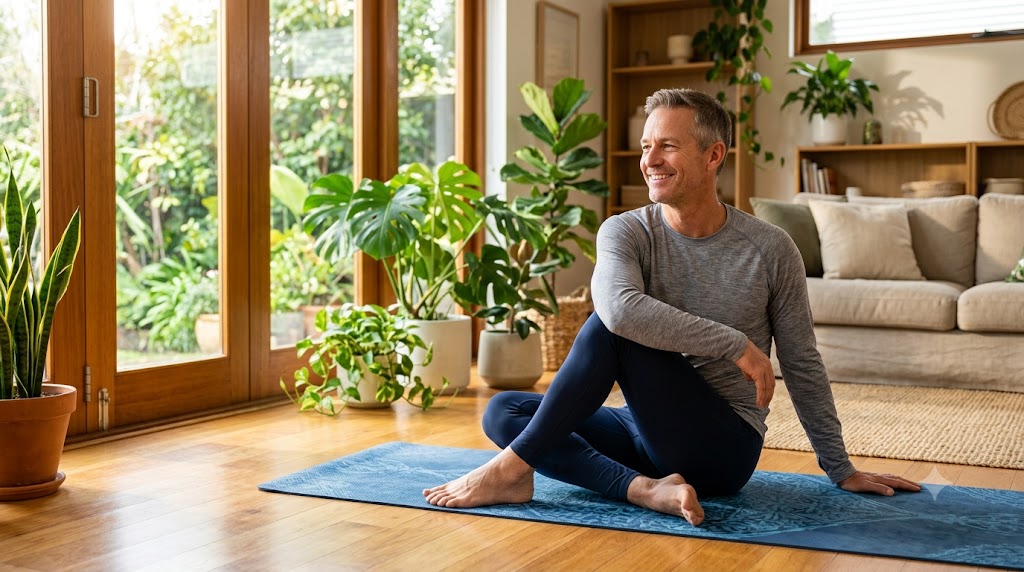
| Mind-Body & Flexibility | Yoga, Tai Chi, Pilates, deep stretching. | Lowers cortisol, focuses breathing, and physically unwinds tense muscles. |
Timing Matters: When Should You Exercise?
While any exercise is better than no exercise, timing plays a huge role in how it affects your sleep. Morning workouts—especially those done outdoors in bright sunlight—are phenomenal for setting your circadian rhythm for the day. Afternoon workouts are also excellent for burning off midday stress.
However, you should generally avoid vigorous, high-intensity workouts (like heavy weightlifting or sprinting) within three hours of your bedtime. Intense exercise spikes your heart rate and core temperature, which can leave you feeling too energized to fall asleep. If you must move in the evening, stick to gentle yoga or a leisurely after-dinner walk.
Essential Lifestyle Changes
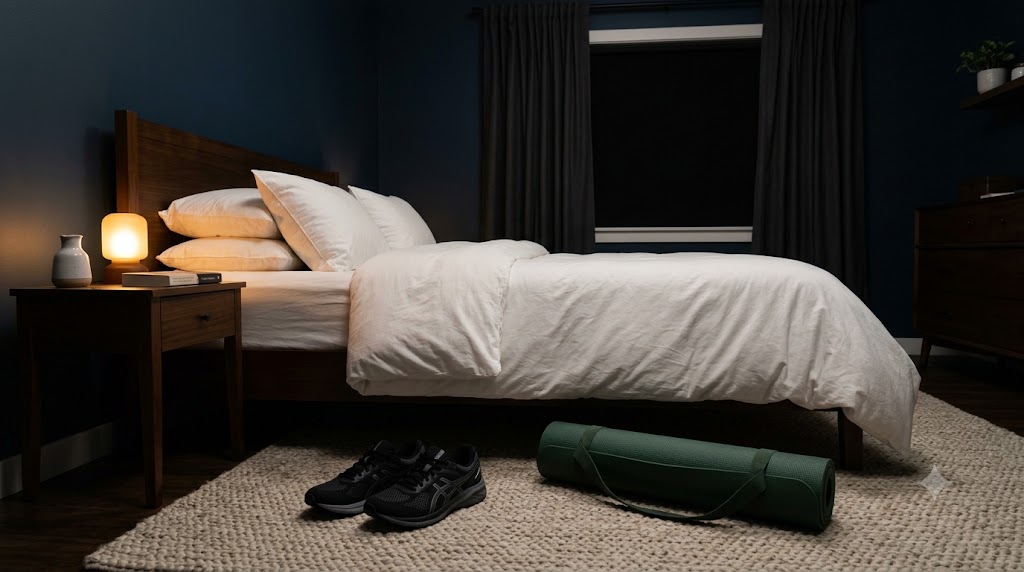
To maximize the connection between exercise and sleep, pair your new workout routine with strong sleep hygiene. Ensure your bedroom remains cool (around 65°F) to complement your body’s post-exercise temperature drop. Additionally, limit your caffeine intake after 2:00 PM, as stimulants can easily override the natural fatigue you earned during your workout.
When To Seek Medical Advice
Exercise is a powerful natural remedy, but it is important to listen to your body. If you experience severe joint pain, chest tightness, or dizziness during exercise, consult your doctor immediately to develop a safe, modified workout plan. Furthermore, if you are highly active but still wake up gasping for air or feeling profoundly exhausted, you should be evaluated for medical conditions like obstructive sleep apnea.
Natural Support For Better Sleep
In addition to maintaining a healthy exercise routine and practicing good sleep hygiene, many individuals find that natural dietary support helps signal to the body that it is time to rest. This might include drinking a warm cup of caffeine-free herbal tea, practicing gentle evening stretching, or utilizing natural targeted formulations.
For those looking for an extra layer of consistency, high-quality botanical and mineral blends can be a practical option to explore alongside physical activity. Products like Sleep Revive are designed to complement healthy lifestyle habits by providing a blend of traditional ingredients aimed at supporting overall relaxation. When choosing any supplement, it is always best to review the ingredients with a healthcare provider to ensure it aligns safely with your personal health profile.
Frequently Asked Questions
How much exercise do I need to improve my sleep?
Medical guidelines suggest aiming for at least 150 minutes of moderate aerobic activity per week. This breaks down to just 30 minutes a day, five days a week. Even a brisk 20-minute daily walk can yield noticeable improvements in how quickly you fall asleep.
Can I exercise right before bed if I can’t sleep?
If you wake up in the middle of the night or cannot fall asleep, doing vigorous exercise (like push-ups or running) is a bad idea, as it will wake you up further. However, doing 10 minutes of very slow, gentle stretching or restorative yoga in a dimly lit room is highly recommended to relieve physical tension.
What if I have bad knees or joint pain?
You do not need to run or jump to get the sleep benefits of exercise. Low-impact activities are incredibly effective. Consider swimming, water aerobics, using a stationary recumbent bike, or taking a Tai Chi class. These options protect aging joints while still elevating your heart rate and tiring your muscles.
Conclusion
So, does exercise improve sleep? Absolutely. By providing an outlet for daily stress, regulating your body temperature, and physically demanding rest, movement is one of the most effective, natural sleep aids available. You do not need to run a marathon to see the benefits. Start small with a daily walk or some light stretching, stay consistent, and you will soon find that a tired body leads directly to a peaceful, quiet mind at night.