Walking And Better Sleep
Walking And Better Sleep: The Natural Path to Deeper Rest
When you are struggling to fall asleep, the usual advice is often complex or expensive: buy a new mattress, invest in a white noise machine, or ask your doctor for a prescription. However, one of the most powerful, scientifically proven tools for improving your nightly rest is completely free, easily accessible, and likely sitting right by your front door. For adults in their 40s, 50s, and beyond, utilizing walking for sleep is a gentle yet highly effective way to naturally reset your biological clock, lower stress, and physically prepare your body for deep, restorative rest.
What Is the Connection Between Walking and Sleep?
Walking is a form of light to moderate aerobic exercise. When you walk, your body undergoes several physical and chemical changes that directly support your sleep architecture. First, rhythmic movement helps burn off excess adrenaline and cortisol (the stress hormones) that accumulate during a busy day. Second, walking outdoors exposes your eyes to natural sunlight, which is the most important signal your brain needs to regulate its circadian rhythm—the internal 24-hour clock that dictates when you feel awake and when you feel sleepy.
Simply put, intentionally walking for sleep tires your body in a healthy way while simultaneously soothing your central nervous system.
Main Causes of Sedentary Sleep Disruptions
Many sleep issues in mid-life stem from a lack of adequate physical movement. In our modern society, it is easy to spend the entire day sitting at a desk, in a car, or on the couch. This sedentary lifestyle causes several sleep-disrupting problems:
- Trapped Nervous Energy: Without physical exertion, the mental stress of the day has nowhere to go, leading to a racing mind at bedtime.
- Circadian Confusion: Staying indoors all day deprives your brain of the sunlight it needs to know when to release melatonin (the sleep hormone) at night.
- Reduced Sleep Drive: Your body simply does not feel physically tired enough to require deep, Slow-Wave Sleep, which is the most restorative stage of rest.
Common Symptoms of Inactivity-Related Insomnia
If a lack of movement is the root cause of your sleep issues, your body will typically present these physical symptoms:
- Lying awake in bed feeling physically restless, as if you have “ants in your pants” or the urge to constantly stretch your legs.
- Waking up frequently during the night feeling stiff or achy.
- Taking a very long time to fall asleep because your mind is active even though the room is quiet.
- Experiencing shallow sleep that leaves you feeling unrefreshed the next morning.
Risk Factors for Mature Adults
As we age, our metabolism slows down, and joint pain or stiffness can make intense exercise (like running or heavy weightlifting) difficult or uncomfortable. Because of this, many adults over 40 accidentally fall into a highly sedentary lifestyle. Unfortunately, a lack of movement accelerates muscle loss, increases baseline inflammation, and heavily fragments sleep. Walking offers a low-impact, joint-friendly solution that minimizes the risk of injury while maximizing cardiovascular and sleep benefits.
Standard Treatment Options vs. Natural Movement
When patients complain of insomnia, standard medical treatments often begin with Cognitive Behavioral Therapy for Insomnia (CBT-I) and sleep hygiene education. Doctors may also prescribe short-term sleep medications. However, sleep specialists increasingly write “exercise prescriptions.” They recognize that natural physical activity is a foundational pillar of health that pills simply cannot replicate.
How Walking Acts as a Natural Sleep Remedy
Incorporating a daily walk into your routine benefits your sleep in three highly specific ways:
| Mechanism | How It Works | The Sleep Benefit |
|---|---|---|
| Temperature Regulation | Walking temporarily raises your core body temperature. About 30-90 minutes later, it naturally drops. | This post-exercise temperature drop is the exact biological signal your brain needs to initiate sleepiness. |
| Serotonin Production | Aerobic movement combined with daylight boosts serotonin, a mood-stabilizing chemical. | Serotonin is the direct building block your brain uses to create melatonin at night. |
| Stress Reduction | The rhythmic nature of walking promotes a meditative state and lowers cortisol levels. | Calms a racing mind and prevents middle-of-the-night anxiety awakenings. |
Building Your Walking Routine
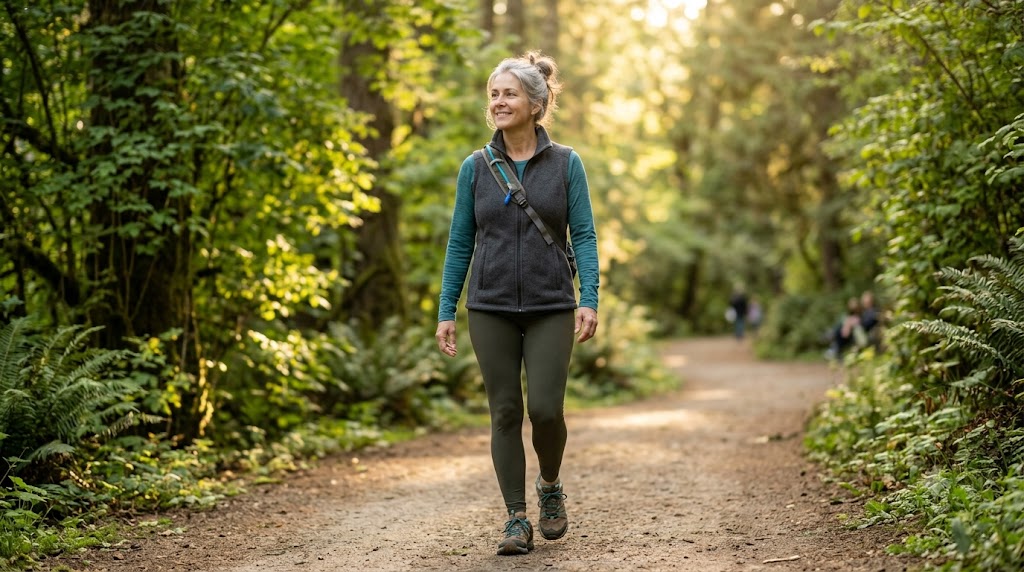
You do not need to walk 10,000 steps on your first day to see improvements. Studies show that just 20 to 30 minutes of brisk walking per day can significantly reduce the time it takes to fall asleep. If you have joint issues, start with a 10-minute stroll around your neighborhood and gradually build up your endurance.
Vital Lifestyle Changes for Maximum Benefit
To get the most out of your walking routine, timing matters. A morning walk (within an hour of waking up) is incredible for exposing your eyes to bright sunlight, which firmly sets your circadian rhythm for the day. Alternatively, an early evening walk after dinner aids digestion and helps burn off the day’s stress. Just avoid power-walking or intense hiking within two hours of your bedtime, as late-night exercise can leave you too energized to sleep.
When To Seek Medical Advice
Walking is generally safe for everyone, but if you experience sharp joint pain, chest tightness, or severe shortness of breath during a light walk, you must consult your physician. Additionally, if you establish a healthy, active lifestyle but still suffer from loud snoring, gasping for air at night, or profound daytime exhaustion, seek a medical evaluation for sleep apnea, which requires professional treatment.
Natural Support For Better Sleep
In addition to staying physically active and getting plenty of daylight, many individuals find that natural dietary support helps signal to the body that it is time to rest. This might include drinking a warm cup of caffeine-free herbal tea, practicing gentle stretching, or utilizing natural targeted formulations.
For those looking for an extra layer of consistency, high-quality botanical and mineral blends can be a practical option to explore alongside behavioral changes. Products like Sleep Revive are designed to complement healthy lifestyle habits by providing a blend of traditional ingredients aimed at supporting overall relaxation. When choosing any supplement, it is always best to review the ingredients with a healthcare provider to ensure it aligns safely with your personal health profile.
Frequently Asked Questions
Is a morning walk or an evening walk better for sleep?
Both have unique benefits! A morning walk is best for regulating your circadian rhythm because the bright morning sunlight halts your brain’s melatonin production, helping you wake up fully. An evening stroll is excellent for unwinding, aiding digestion, and releasing physical tension. Choose the time that you are most likely to stick with consistently.
How fast do I need to walk to see sleep benefits?
You do not need to speed-walk or get out of breath. A moderate, brisk pace—where you can still hold a conversation but feel your heart rate slightly elevated—is perfect. The goal is consistent, rhythmic movement, not exhausting yourself.
Can I walk on a treadmill, or does it have to be outside?
A treadmill is a wonderful tool, especially during bad weather or for joint safety. The physical exertion will still give you great sleep benefits. However, walking outside provides the added bonus of fresh air, changing scenery (which lowers mental stress), and natural sunlight, making outdoor walks slightly superior for sleep regulation.
Conclusion
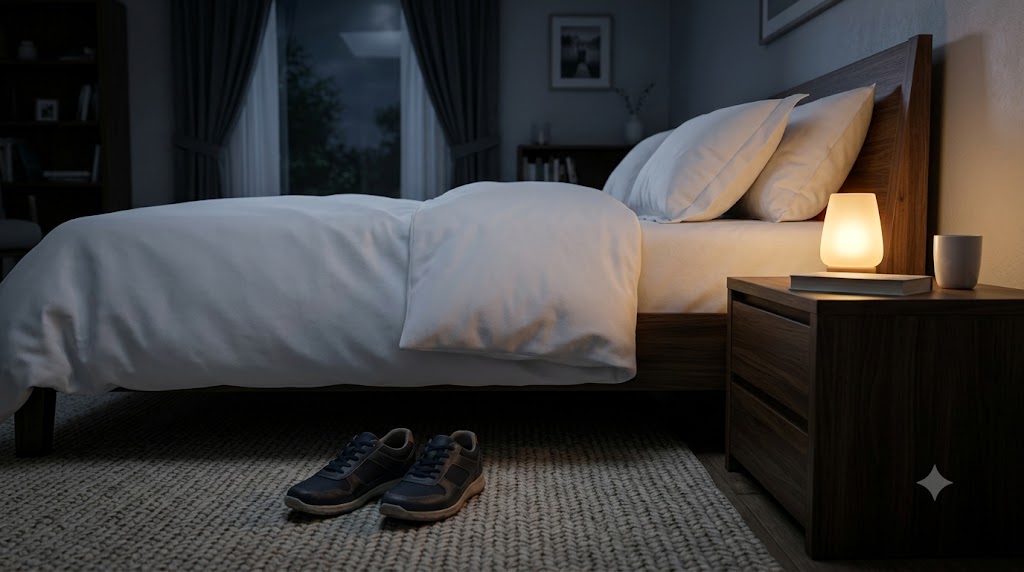
Improving your sleep does not always require a complicated medical intervention. Sometimes, the solution is as simple as putting one foot in front of the other. By utilizing walking for sleep, you are embracing a natural, low-impact habit that lowers your stress, regulates your internal clock, and prepares your body for true rest. Lace up your shoes today, take a deep breath of fresh air, and step toward a better night of sleep.