
Best Herbal Teas For Sleep
Best Herbal Teas For Sleep: A Natural Guide for Rest
There is something inherently comforting about holding a warm mug of tea at the end of a long day. For centuries, various cultures have relied on botanical brews to soothe the mind and prepare the body for rest. If you are a mature adult finding it increasingly difficult to wind down at night, incorporating the best herbal teas for sleep into your evening routine can be a gentle, effective, and completely natural solution. Let us explore the science behind these relaxing brews, how they interact with your nervous system, and which herbs are truly worth keeping in your pantry.
What Are Herbal Teas For Sleep?
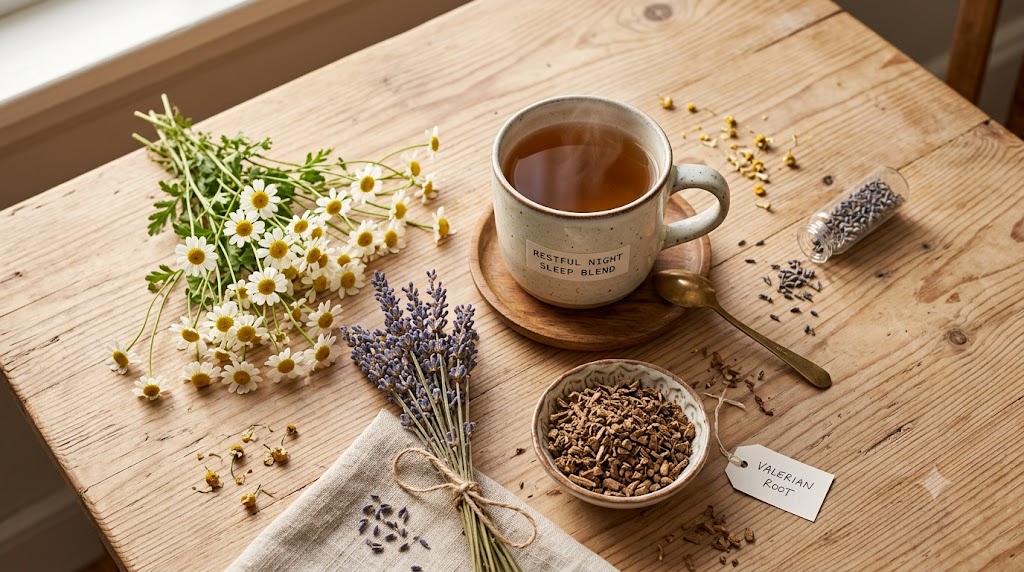
Unlike traditional black, green, or oolong teas which are brewed from the Camellia sinensis plant and naturally contain stimulating caffeine, herbal teas (technically known as tisanes) are entirely caffeine-free. They are crafted by infusing hot water with various dried flowers, roots, leaves, and seeds.
When you consume specific herbal teas for sleep, you are ingesting natural plant compounds—such as antioxidants, flavonoids, and essential oils—that directly interact with neurotransmitters in your brain. These compounds act as mild natural sedatives, helping to lower heart rate, reduce muscle tension, and decrease anxiety.
Main Causes of Evening Restlessness
Why do we need herbal support in the first place? As we navigate our 40s, 50s, and beyond, natural changes in our biology make it harder to transition from a busy day to a restful night. Common culprits keeping you awake include:
- Elevated Cortisol: Daily stress from work and family keeps the stress hormone cortisol running high in your bloodstream, actively blocking sleep signals.
- Age-Related Hormonal Shifts: For women in menopause and men with dropping testosterone, internal temperature changes and anxiety often spike in the evening.
- Overactive Nervous System: A phenomenon where the brain remains in a “hyper-aroused” state, making it impossible to stop racing thoughts even when the body is physically exhausted.
Common Symptoms of Sleep Latency Issues
If you are struggling with “sleep latency” (the time it takes to fall asleep), you will likely experience:
- Lying in bed for more than 30 to 45 minutes staring at the ceiling.
- Feeling a sudden surge of physical tension in your jaw, neck, or shoulders as soon as you lie down.
- Experiencing a flood of to-do lists and worries the moment the room gets quiet.
- Waking up feeling groggy and irritable because it took you hours to finally drift off.
Risk Factors for Mature Adults
Ignoring chronic sleep issues is dangerous. As we age, poor sleep dramatically increases the risk of cardiovascular issues, cognitive decline, and metabolic disorders like type 2 diabetes. Furthermore, relying on heavy prescription sleep aids or alcohol to force sleep can lead to dangerous dependencies, grogginess, and an increased risk of nighttime falls. This is why natural, gentle interventions like herbal teas are highly recommended as a first line of defense.
The Top 4 Best Herbal Teas For Sleep
Not all herbs are created equal when it comes to sedation. Based on clinical studies and traditional medicinal use, here are the most effective teas to incorporate into your nighttime ritual:
| Herbal Tea | Active Compound | Primary Benefit |
|---|---|---|
| Chamomile | Apigenin (Antioxidant) | Binds to brain receptors to decrease anxiety and initiate sleepiness. |
| Valerian Root | Valerenic Acid | Boosts GABA levels in the brain, acting as a natural, mild tranquilizer. |
| Passionflower | Chrysin (Flavonoid) | Reduces racing thoughts and helps prolong deep sleep cycles. |
| Lemon Balm | Rosmarinic Acid | Soothes stress and calms mild digestive discomfort before bed. |
1. Chamomile Tea: The Classic Calmer
Chamomile is arguably the most famous sleep tea in the world, and for good reason. It contains an antioxidant called apigenin, which binds to specific receptors in your brain that may decrease anxiety and initiate sleep. Studies have shown that older adults who consume chamomile extract experience significantly better sleep quality compared to those who do not.
2. Valerian Root Tea: Nature’s Sedative
If chamomile is a gentle nudge toward sleep, valerian root is a slightly stronger push. Valerian root works by preventing the breakdown of gamma-aminobutyric acid (GABA) in the brain. High levels of GABA promote deep relaxation and quiet the central nervous system. Because valerian has a distinct, earthy flavor, it is often blended with sweeter herbs like honey or lavender.
3. Passionflower Tea
Passionflower is excellent for the “tired but wired” feeling. Traditional medicine often uses it to treat anxiety. Clinical trials indicate that drinking a cup of passionflower tea daily can yield modest but noticeable improvements in sleep quality, specifically helping to stop the mind from racing.
How to Maximize Your Herbal Tea Routine
To get the most out of your herbal teas for sleep, timing and routine are everything. Follow these best practices:
- Timing is Key: Drink your tea about 45 to 60 minutes before your planned bedtime. This gives the herbs time to absorb into your bloodstream and allows you time to use the restroom before getting into bed.
- Proper Steeping: Herbal teas often require a longer steeping time than regular tea. Cover your mug and let the herbs steep in hot water for 5 to 10 minutes to extract the maximum amount of medicinal compounds.
- Pair with a Digital Sunset: Drinking tea while scrolling through stressful news on your smartphone defeats the purpose. Sip your tea while reading a physical book, listening to soft music, or practicing deep breathing.
When To Seek Medical Advice
Herbal teas are wonderful tools for mild to moderate restlessness, but they are not a cure for clinical sleep disorders. If you have incorporated relaxing teas and excellent sleep hygiene into your routine for over a month and still suffer from severe insomnia, it is time to consult a physician. Chronic sleep issues can sometimes point to underlying conditions like sleep apnea, restless legs syndrome, or thyroid imbalances.
Natural Support For Better Sleep
In addition to brewing a relaxing cup of herbal tea, many individuals find that establishing a comprehensive, soothing evening ritual helps signal to the body that it is time to rest. This might include practicing gentle stretching, keeping the bedroom cool and dark, or utilizing natural targeted formulations.
For those looking for an extra layer of consistency, high-quality botanical and mineral blends can be a practical option to explore alongside your tea habit. Products like Sleep Revive are designed to complement healthy lifestyle habits by providing a blend of traditional ingredients aimed at supporting overall relaxation. When choosing any supplement, it is always best to review the ingredients with a healthcare provider to ensure it aligns safely with your personal health profile.
Frequently Asked Questions
Will drinking tea before bed make me wake up to use the bathroom?
This is a common concern for adults over 40. To prevent nighttime waking (nocturia), limit your tea to one small teacup (about 6 to 8 ounces) and finish drinking it at least an hour before you go to sleep. Make sure to empty your bladder right before getting into bed.
Can I mix different herbal teas together?
Yes, many commercial sleep blends successfully combine several calming herbs. Mixing chamomile, lemon balm, and a touch of valerian is a very popular and safe combination. However, if you are currently taking prescription sedatives or anti-anxiety medications, you should always consult your doctor before introducing strong herbs like valerian.
Should I add honey to my sleep tea?
Adding a small teaspoon of raw honey to your tea can actually be beneficial. A slight elevation in blood sugar can slightly lower orexin, a neurotransmitter linked to wakefulness. Plus, honey can soothe a dry throat, making it easier to drift off peacefully.
Conclusion
Nature has provided us with a powerful pharmacy inside simple leaves and flowers. By integrating the best herbal teas for sleep into your nightly routine, you are doing more than just drinking a beverage; you are taking a mindful moment to signal to your body that the day is done. Whether you choose the gentle calm of chamomile or the deeper relaxation of valerian root, a warm mug of tea can be the perfect bridge to a restorative, peaceful night of rest.