
What Causes Light Sleep? Uncovering the Reasons Behind Restless Nights
Introduction
You climb into bed after a long day, eager for restful sleep. But instead of drifting into deep, restorative slumber, you find yourself waking up at the slightest noise. Your mind races, and you feel like you’ve been awake all night. If this sounds familiar, you may be experiencing light sleep. Light sleep is the stage where you’re easily disturbed, and it can leave you feeling tired even after a full night in bed. Understanding what causes light sleep is the first step toward reclaiming deep, healing rest. In this article, we’ll explore the biological and lifestyle factors that lead to light sleep and provide evidence-based strategies to help you sleep more soundly.
What Is Light Sleep?
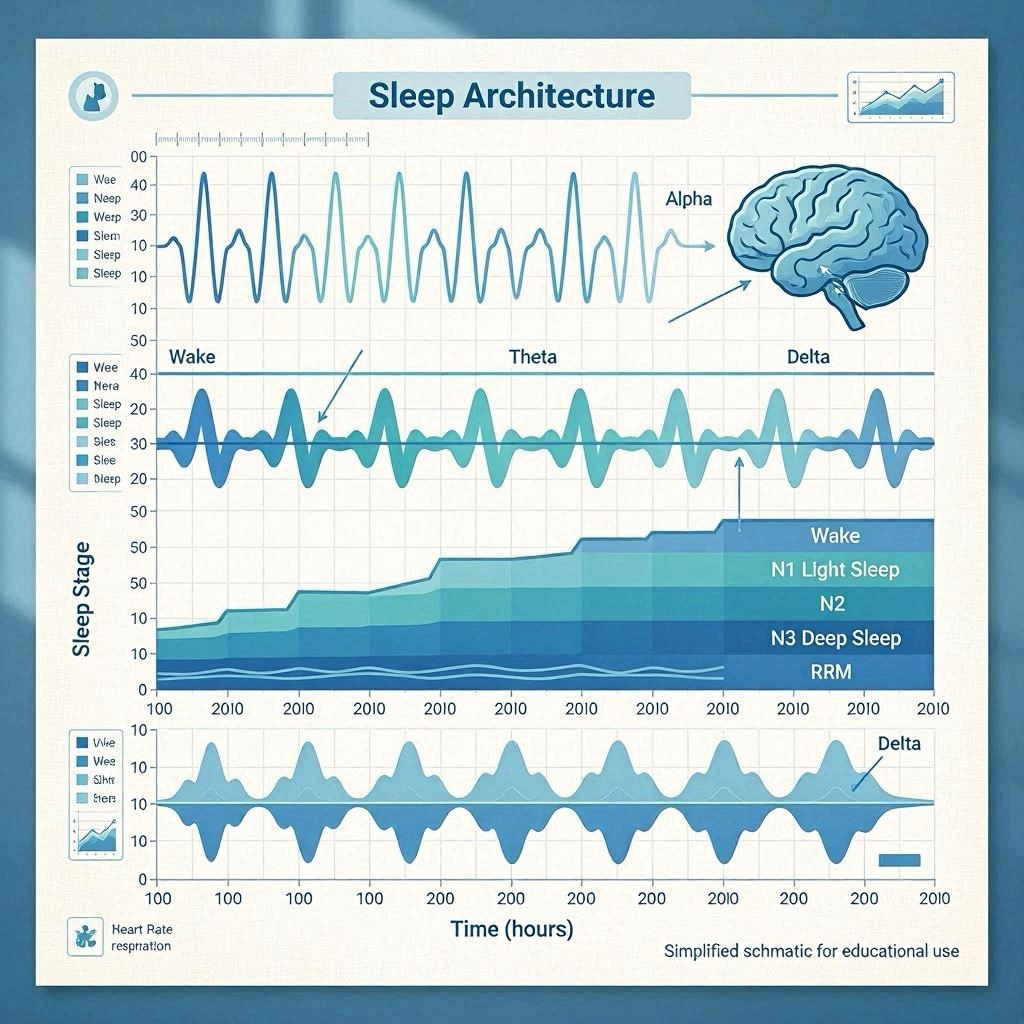
Light sleep is a stage of non-rapid eye movement (NREM) sleep that occurs early in the sleep cycle and between deeper stages. During light sleep, your brain waves slow down, but you can still be easily awakened. This stage plays a role in memory consolidation and cognitive restoration, but when it dominates your night, you miss out on the deep, slow-wave sleep that your body needs for physical repair and hormone regulation. In healthy sleep architecture, light sleep accounts for about 50% of total sleep time. However, factors like stress, age, and environment can increase the proportion of light sleep, making you feel unrefreshed.
Main Causes of Light Sleep
Biological Factors
- Aging: As we age, our sleep patterns naturally change. Older adults spend more time in light sleep and less in deep sleep. This is partly due to changes in the brain’s sleep-regulating centers and a decline in melatonin production.
- Genetics: Certain genetic variations can affect sleep depth. For example, variations in the PER3 gene are linked to differences in sleep structure and vulnerability to sleep disruption.
- Hormonal Changes: Imbalances in cortisol, melatonin, or thyroid hormones can disrupt sleep cycles. High cortisol (the stress hormone) keeps you in a state of alertness, increasing light sleep.
- Neurotransmitter Activity: Chemicals like GABA (gamma-aminobutyric acid) promote deep sleep. Low GABA activity can lead to lighter sleep and more awakenings.
Lifestyle Factors
- Stress and Anxiety: Chronic stress activates the sympathetic nervous system, making it harder to achieve deep sleep. Racing thoughts and muscle tension keep you in light sleep.
- Poor Sleep Hygiene: Irregular sleep schedules, blue light exposure before bed, and a noisy or bright bedroom environment can fragment sleep and increase light sleep stages.
- Diet and Stimulants: Caffeine, nicotine, and alcohol close to bedtime interfere with sleep architecture. Alcohol may help you fall asleep but suppresses deep sleep and leads to lighter, more disrupted sleep later.
- Lack of Physical Activity: Regular exercise promotes deeper sleep. A sedentary lifestyle can contribute to lighter sleep and more nighttime awakenings.
- Medical Conditions: Chronic pain, sleep apnea, restless legs syndrome, and frequent urination (nocturia) cause repeated arousals, keeping you in light sleep.
Common Symptoms of Light Sleep
- Waking up tired despite adequate time in bed
- Easily disturbed by noises or movement
- Feeling like you’re ‘half awake’ during the night
- Difficulty falling back asleep after waking
- Daytime fatigue, irritability, or brain fog
- Relying on caffeine or naps to get through the day
Risk Factors
Certain factors increase your risk of experiencing light sleep:
- Age over 40
- High stress levels
- Shift work or irregular schedules
- Obesity (linked to sleep apnea)
- Depression or anxiety disorders
- Use of certain medications (like beta-blockers, antidepressants)
- Consuming alcohol or caffeine in the evening
Treatment Options for Light Sleep
Medical Interventions
- Cognitive Behavioral Therapy for Insomnia (CBT-I): This structured program addresses thoughts and behaviors that interfere with sleep. It’s the first-line treatment for chronic insomnia and can help reduce light sleep.
- Sleep Apnea Treatment: If sleep apnea is causing frequent awakenings, treatments like CPAP therapy can restore normal sleep architecture.
- Medications: Prescription sleep aids (like benzodiazepines or z-drugs) may be used short-term, but they often increase light sleep rather than deep sleep. Always consult a doctor.
Natural Support For Better Sleep
If you’re looking for natural ways to deepen your sleep, certain supplements may help support relaxation and sleep quality. Ingredients like melatonin, magnesium glycinate, L-theanine, and herbal blends (such as chamomile and valerian root) have been studied for their sleep-promoting effects. For a comprehensive solution, consider Sleep Revive, a formula designed to help you fall asleep faster and achieve more restorative sleep cycles. It combines natural ingredients that work with your body’s own sleep mechanisms. While results vary, many people find it helps them wake up feeling refreshed.
Natural Remedies for Light Sleep
- Melatonin: Take 1-3 mg about 30 minutes before bed to help regulate your sleep-wake cycle.
- Magnesium: Magnesium glycinate can promote relaxation and reduce nighttime cortisol levels.
- Herbal Teas: Chamomile, lavender, or passionflower tea can soothe the nervous system before sleep.
- Essential Oils: Lavender oil diffused or applied topically may improve sleep depth.
- Acupressure or Massage: Gentle massage or acupressure can relax tense muscles and calm the mind.
Lifestyle Changes to Improve Light Sleep
- Stick to a consistent sleep schedule: Go to bed and wake up at the same time every day, even on weekends.
- Create a relaxing bedtime routine: Avoid screens 1 hour before bed; read a book, take a warm bath, or practice meditation.
- Optimize your bedroom: Keep it cool (65-68°F), dark, and quiet. Use blackout curtains and white noise if needed.
- Limit stimulants: Avoid caffeine after 2 PM and alcohol close to bedtime.
- Exercise regularly: Aim for at least 30 minutes of moderate activity daily, but not too close to bedtime.
- Manage stress: Try deep breathing, progressive muscle relaxation, or mindfulness to lower cortisol.

When To Seek Medical Advice
If light sleep is affecting your daily life—causing excessive daytime sleepiness, mood changes, or difficulty concentrating—it’s time to talk to a doctor. Also seek help if you suspect sleep apnea (loud snoring, gasping for air), restless legs syndrome, or other medical conditions. A sleep specialist may recommend a sleep study to diagnose underlying issues.
Frequently Asked Questions
1. Is light sleep normal?
Yes, light sleep is a normal part of the sleep cycle. But if it dominates your night and you feel unrested, it may be a sign of an underlying issue.
2. Can stress cause light sleep?
Absolutely. Stress raises cortisol levels, which can keep you in lighter sleep stages and cause more awakenings.
3. How much light sleep is too much?
Generally, spending more than 60% of total sleep time in light sleep is considered excessive and may lead to poor sleep quality.
4. Does light sleep decrease with age?
Actually, it increases with age. Older adults tend to have more light sleep and less deep sleep.
5. What is the best natural supplement for deep sleep?
Melatonin, magnesium, and L-theanine are well-studied. A combination like Sleep Revive may offer comprehensive support.
Conclusion
Light sleep doesn’t have to be a permanent part of your nights. By understanding what causes light sleep—from stress and aging to lifestyle habits—you can take steps to promote deeper, more restorative rest. Small changes like improving sleep hygiene, managing stress, and exploring natural supplements can make a big difference. If you’ve tried these strategies and still struggle, don’t hesitate to seek professional advice. Your health and well-being depend on quality sleep, and you deserve to wake up feeling refreshed every morning.